

The actor reveals how embodying Dani’s trauma left her battling months of depression
Florence Pugh has never hidden the fact that Midsommar pushed her to emotional extremes, but in a recent conversation on The Louis Theroux Podcast, the Oscar-nominated actor opened up more candidly than ever about just how deeply the role affected her. According to Pugh, the psychological strain of portraying Dani—an American woman drowning in grief and trapped in a deteriorating relationship—left her dealing with depression for half a year after filming wrapped.
Pugh explained that she had long known the role was demanding, but only later realized the extent to which she had pushed herself beyond healthy limits.
“I just can’t exhaust myself like that because it has a knock-on effect,” she said during the interview. She recalled returning from the set of Greta Gerwig’s Little Women, a project she described as joyful and tonally opposite to Midsommar, only to find herself unexpectedly overwhelmed by sadness. It wasn’t until she returned home for the holidays that she recognized the lingering emotional weight she had carried from Aster’s film.
“I was so depressed, and I finally thought, ‘Oh, I think that’s from Midsommar. I didn’t deal with it, and I probably shouldn’t do that again.’”
Directed by Ari Aster, Midsommar was the filmmaker’s second feature after Hereditary, and it demanded a level of psychological immersion that Pugh had never encountered before. The script required her to portray Dani at her most fragile—someone whose world collapses in the opening minutes of the film and who spirals into a state of raw, unfiltered grief. Pugh responded by throwing herself into that emotional abyss with full force.

On the podcast, she described the escalating intensity of her preparation. At first, she tried to imagine receiving devastating news about a loved one. As filming progressed, she pushed herself further, visualizing coffins and eventually imagining the funerals of her entire family. “I had never seen that level of grief or mental health on the page,” she said. “So I really put myself through it.”
The emotional labor wasn’t limited to tears. Pugh emphasized that she felt responsible for making Dani’s pain sound and feel real, which meant accessing a depth of anguish she had never attempted before. “It wasn’t just crying. I needed to sound pained,” she explained. “I’d never done anything like that, and I thought, ‘Here’s my opportunity. I need to give this a go.’ So I basically put myself through hell. But I don’t do that anymore. It really messed me up.”
The transition from Midsommar to Little Women was abrupt—Pugh flew directly from one set to the other. The emotional whiplash hit her mid-flight, when she suddenly realized she was leaving Dani behind. She broke down in tears, overwhelmed by a strange mix of relief, guilt, and exhaustion. “My brain was feeling sympathy for myself because I’d abused my own emotions to get a performance,” she said. “But I also felt sorry for what I’d done. I’ve never been worried about my characters after finishing a project, but Dani was different. I felt like I’d left her crying in that field.”
Pugh made it clear that the emotional strain she experienced was entirely self-imposed. She has consistently praised Ari Aster’s directing style and creativity, describing him as a “mad genius” with a surprising comedic streak. She recalled how he often kept the cast laughing between takes, easing the heaviness of the material whenever possible.

Call Me Nothing: New Psychological Thriller Unmasks Trauma and Mental Health
Still, the experience taught her a lasting lesson about the cost of extreme method-style immersion. While Midsommar remains one of her most celebrated performances, Pugh now recognizes that no role is worth sacrificing her mental well-being. The film may have cemented her status as one of the most fearless actors of her generation, but it also marked a turning point—one that reshaped how she approaches emotionally demanding characters.


About the author
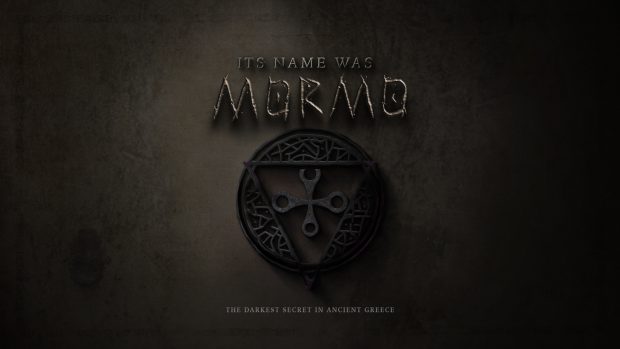
‘Its Name Was Mormo’ Review: Fear-filled Hearts & Close Encounters
In Mark Bower’s staggering handmade visionary tale, his first movie has drawn the attention of nine international film distributors. A Haunting Tale Mark Bower's handmade visionary performance, "Its Name Was Mormo," is a haunting exploration of fear and the supernatural, capturing audiences with its raw and immersive storytelling which delves into the realm of psyche horror, evoking a sense of dread that lingers long after the camera battery dies. Plot and Atmosphere Set in a desolate, rural town, Its Name Was Mormo > follows the unsettling experiences of a family who encounter an evil entity known as Mormo. The film masterfully builds tension through its eerie landscapes, unsettling silence, and the palpable fear of its characters. Bower’s attention to detail in creating a chilling atmosphere is evident, as each scene is infused with an impending sense of doom. The narrative is […]
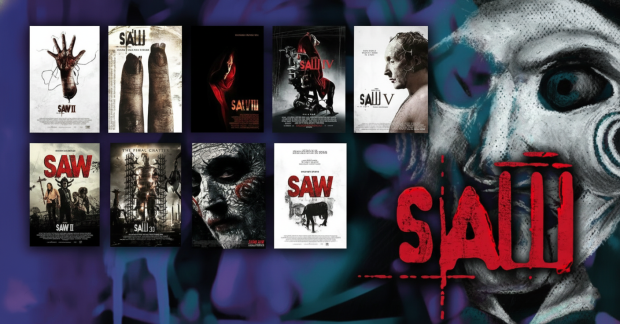
The Complete Saw Franchise Is Now Streaming on Peacock: A Definitive Guide for Horror Fans
Horror fans have a major reason to celebrate. One of the most influential and brutal horror series of the 21st century is now easier than ever to revisit. The entire Saw franchise is officially streaming on Peacock, giving viewers instant access to all ten films in the iconic saga. Whether you’re a longtime fan of Jigsaw’s twisted philosophy or a newcomer ready to experience the traps for the first time, this is the perfect opportunity for a full franchise marathon. This streaming milestone comes on the heels of one of the biggest horror industry stories of recent years: Blumhouse’s acquisition of the Saw franchise in 2025, which reunited original creators James Wan and Leigh Whannell with the property that launched their careers. With renewed creative energy behind the scenes and renewed accessibility on streaming, Saw is once again dominating the […]

Sundance Film Festival 2026 Midnight Lineup Brings Bold New Horror Films and Genre-Bending Premieres
The Sundance Film Festival 2026 is shaping up to be an unforgettable event for fans of independent cinema, especially those with a taste for horror, dark comedy, and boundary-pushing storytelling. As the iconic festival prepares for its next edition, organizers have officially revealed the 2026 program slate, and it’s packed with buzzworthy titles that promise sleepless nights and thought-provoking experiences. Taking place January 22 through February 1, 2026, the Sundance Film Festival will once again return in person to Park City, Salt Lake City, and the Sundance Resort, while also offering a curated selection of films online starting January 30. Festival packages and passes are already available through Sundance’s official website, giving cinephiles early access to one of the most influential film festivals in the world. With a strong focus on independent horror films, innovative documentaries, and daring new voices, […]
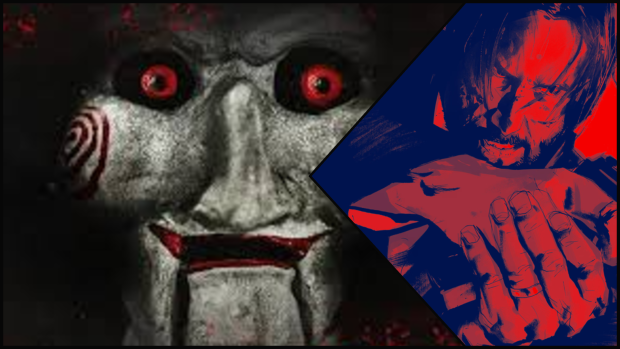
Lionsgate Hints at New AAA Horror Video Games Based on John Wick and Saw
The worlds of film and gaming continue to collide, and Lionsgate appears ready to make a major move into the AAA video game space. During a recent Q2 2026 earnings call, Lionsgate Motion Picture Group chairman Adam Fogelson teased the possibility of big-budget video games based on some of the studio’s most recognizable franchises. Among the properties specifically mentioned were John Wick and Saw, instantly igniting excitement among action and horror fans alike. According to the earnings call transcript shared by Seeking Alpha, Fogelson emphasized that Lionsgate is seeing “increased interest and increased opportunity” in developing premium games based on its intellectual properties. While the comments stopped short of a formal announcement, the wording strongly suggests that Lionsgate is actively exploring major gaming projects tied to its most successful brands. Lionsgate’s Growing Focus on AAA Video Game Development In recent […]
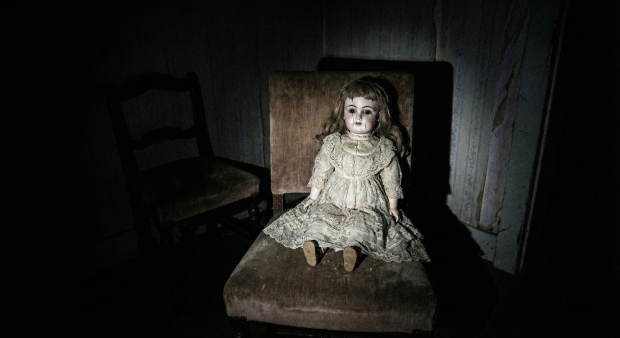
Horror Story – The Porcelain Whisperer
A forgotten relic in the basement awakes, beckoning the eldest daughter into the darkness. The old Victorian house on Elm Street always felt a little too big for the Miller family, and definitely too quiet at night. During the day, it was full of life. Mommy (Sarah) was always baking or working in her home office, while Daddy (Tom) was busy fixing things that constantly broke in the aging structure. Six-year-old Lily filled the hallways with laughter, usually chased by Barnaby, their lazy orange tabby, and Luna, a sleek black cat who seemed to see things no one else did.[Horror Story] Fourteen-year-old Elara, however, found the house unsettling. It started a month after they moved in. At first, Elara thought it was just the wind whistling through the old chimney. It was a faint sound, barely a scratch on the […]
Horror Story – The Midwife of Blackwood Creek
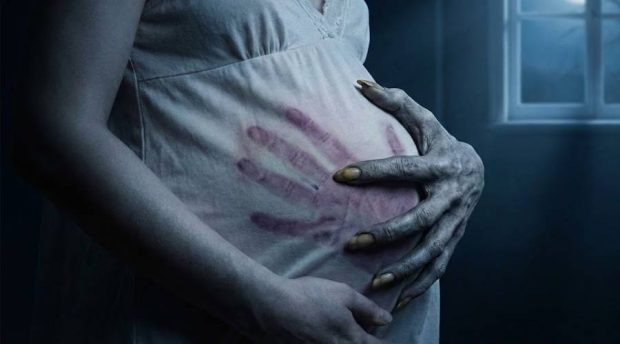
Disclaimer: The following narrative is constructed from a collection of recovered journals, police transcripts from the fateful night of February 12, 1998, and interviews with the surviving family members. To protect their privacy, names and specific locations in West Virginia have been altered Part I: The Isolation The isolation of the Appalachian Mountains is deceptive. In the summer, it feels like a green, lush embrace. But in the dead of winter, when the trees are stripped bare and look like skeletal fingers clawing at the grey sky, it feels like a cage. For Sarah and David, the farmhouse on Blackwood Creek was supposed to be their sanctuary. Purchased for a suspiciously low price in the late autumn of 1997, it sat on forty acres of dense pine forest, miles away from the nearest paved road. Sarah was eight months pregnant, […]
‘The Mummy’ Lee Cronin and Blumhouse Resurrect the Classic Monster for an April 2026 Release
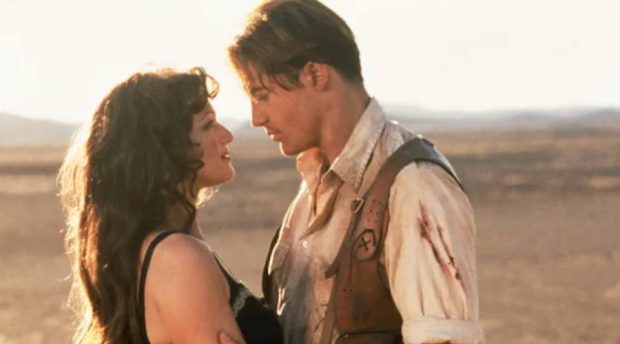
The director of Evil Dead Rise is bringing a terrifying, horror-first approach to The Mummy, leaving the action-adventure style behind. Universal Pictures is taking another stab at their classic monsters, and for The Mummy (2026), they have recruited one of the most exciting voices in modern horror: Lee Cronin. After the massive success of Evil Dead Rise, Cronin has been tapped to write and direct a new version of The Mummy, set for release on April 17, 2026. This is not a sequel to the Brendan Fraser films, nor is it related to the Tom Cruise flop. This The Mummy is pure nightmare fuel. Lee Cronin has publicly stated that his vision for The Mummy is "dark, scary, and violent." Gone are the campy one-liners; The Mummy (2026) returns to the character's roots as a figure of undead dread. The […]
Related

The Backrooms Movie: Inside the Viral Horror Phenomenon Dominating 2026 — Trailer Reactions, Director Spotlight, Cast Buzz & Cultural Impact
The Backrooms movie has exploded across the internet, becoming one of the most talked‑about horror releases of 2026. With A24 dropping the first official trailer and new posters, social media platforms have ignited with discussion, speculation, and excitement. The film, directed by 20‑year‑old Kane Parsons, adapts one of the most iconic internet urban legends of the past decade — a creepypasta that grew into a global cultural phenomenon. This article breaks down every trending topic surrounding the Backrooms movie: the origins of the myth, the trailer’s reception, the cast, the director’s meteoric rise, the film’s production details, and why the Backrooms concept resonates so deeply with modern audiences. 1. The Backrooms: From Creepypasta to A24 Horror Event The Backrooms began as a single unsettling image posted anonymously on 4chan in 2019 — a yellow‑tinted, empty office space lit by buzzing […]
Resurrecting the Curse: How Lee Cronin’s ‘The Mummy’ Reimagines the Classic Monster for 2026
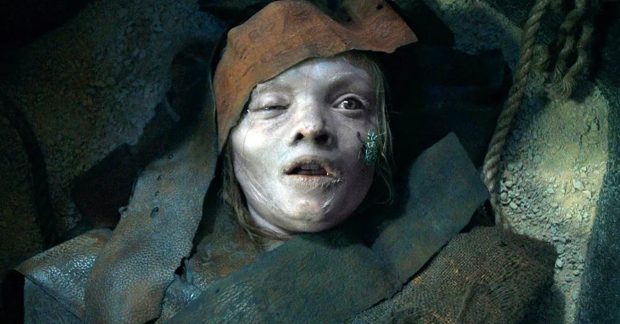
The sandy, action-packed adventures that defined The Mummy franchise for a generation are officially dead. In their place, a new, terrifying vision is rising. Universal Pictures has handed the keys to their most ancient monster to director Lee Cronin, and if the early buzz is any indication, audiences need to prepare themselves for a visceral, body-horror nightmare when The Mummy arrives in April 2026. This is not a reboot in the traditional sense; it is a total, ground-up reimagining. After the critical disaster of the 2017 Tom Cruise action vehicle, the studio seemingly learned its lesson: monster movies work best when they focus on horror. By selecting Cronin, the mastermind behind the delightfully gory and claustrophobic Evil Dead Rise (2023), Universal is signaling a dramatic shift toward the supernatural and the grotesque. We’ve dug through the trending news and early […]
Resurrecting the Grindhouse: How Dolly Used 16mm Film to Capture the Spirit of The Texas Chain Saw Massacre
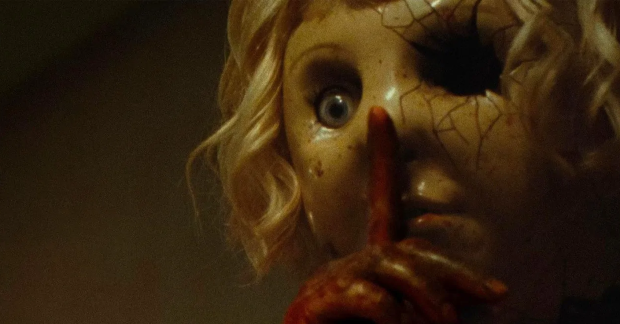
In an era where horror movies are often polished to a pristine, digital sheen, director Rod Blackhurst’s 2026 indie slasher Dolly chose to drag audiences back into the dirt. A brutal, unapologetic homage to 1970s exploitation cinema, the film has made waves for its suffocating atmosphere and a hulking, porcelain-masked killer who feels like the spiritual successor to Leatherface. But Dolly doesn’t just feel like a vintage slasher—it looks exactly like one. To replicate the iconic, grimy aesthetic of Tobe Hooper’s 1974 masterpiece The Texas Chain Saw Massacre, Blackhurst and cinematographer Justin Derry ditched modern digital rigs in favor of shooting entirely on 16mm film. Here is how they used vintage analog methods to resurrect the ultimate grindhouse look. The Power of the 16mm Format To understand why Dolly looks so uniquely terrifying, you have to look at the medium […]
The Complete Saw Franchise Is Now Streaming on Peacock: A Definitive Guide for Horror Fans
Horror fans have a major reason to celebrate. One of the most influential and brutal horror series of the 21st century is now easier than ever to revisit. The entire Saw franchise is officially streaming on Peacock, giving viewers instant access to all ten films in the iconic saga. Whether you’re a longtime fan of Jigsaw’s twisted philosophy or a newcomer ready to experience the traps for the first time, this is the perfect opportunity for a full franchise marathon. This streaming milestone comes on the heels of one of the biggest horror industry stories of recent years: Blumhouse’s acquisition of the Saw franchise in 2025, which reunited original creators James Wan and Leigh Whannell with the property that launched their careers. With renewed creative energy behind the scenes and renewed accessibility on streaming, Saw is once again dominating the […]
‘The Mummy’ Lee Cronin and Blumhouse Resurrect the Classic Monster for an April 2026 Release
The director of Evil Dead Rise is bringing a terrifying, horror-first approach to The Mummy, leaving the action-adventure style behind. Universal Pictures is taking another stab at their classic monsters, and for The Mummy (2026), they have recruited one of the most exciting voices in modern horror: Lee Cronin. After the massive success of Evil Dead Rise, Cronin has been tapped to write and direct a new version of The Mummy, set for release on April 17, 2026. This is not a sequel to the Brendan Fraser films, nor is it related to the Tom Cruise flop. This The Mummy is pure nightmare fuel. Lee Cronin has publicly stated that his vision for The Mummy is "dark, scary, and violent." Gone are the campy one-liners; The Mummy (2026) returns to the character's roots as a figure of undead dread. The […]
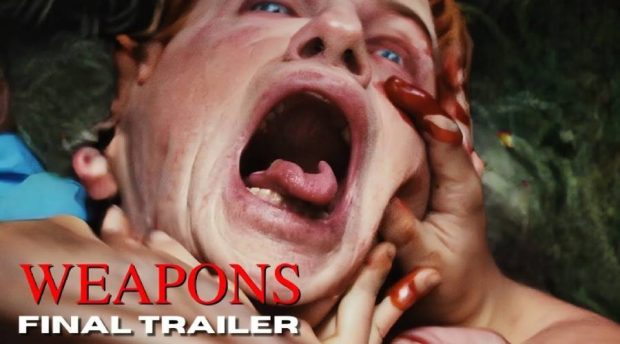
‘Weapons’ Massive 2026 Horror Epic Promises to Be the ‘Magnolia’ of Scares
The director of Barbarian returns with Weapons, a star-studded horror film arriving January 16, 2026. If there is one director who currently holds the "golden ticket" in Hollywood horror, it is Zach Cregger. After the massive, unexpected success of Barbarian, Cregger was given carte blanche by New Line Cinema to create his dream project: Weapons. Originally slated for 2025, the film has been positioned as the first major horror event of the new year, hitting theaters on January 16, 2026. Weapons is not just a horror movie; it is being described as an expansive, multi-story epic. Weapons features an incredible ensemble cast, including Josh Brolin (Dune), Julia Garner (Ozark), and Alden Ehrenreich (Oppenheimer). The plot of Weapons is being kept under lock and key, but insiders have compared the structure of the film to Paul Thomas Anderson’s Magnolia—meaning Weapons will […]