
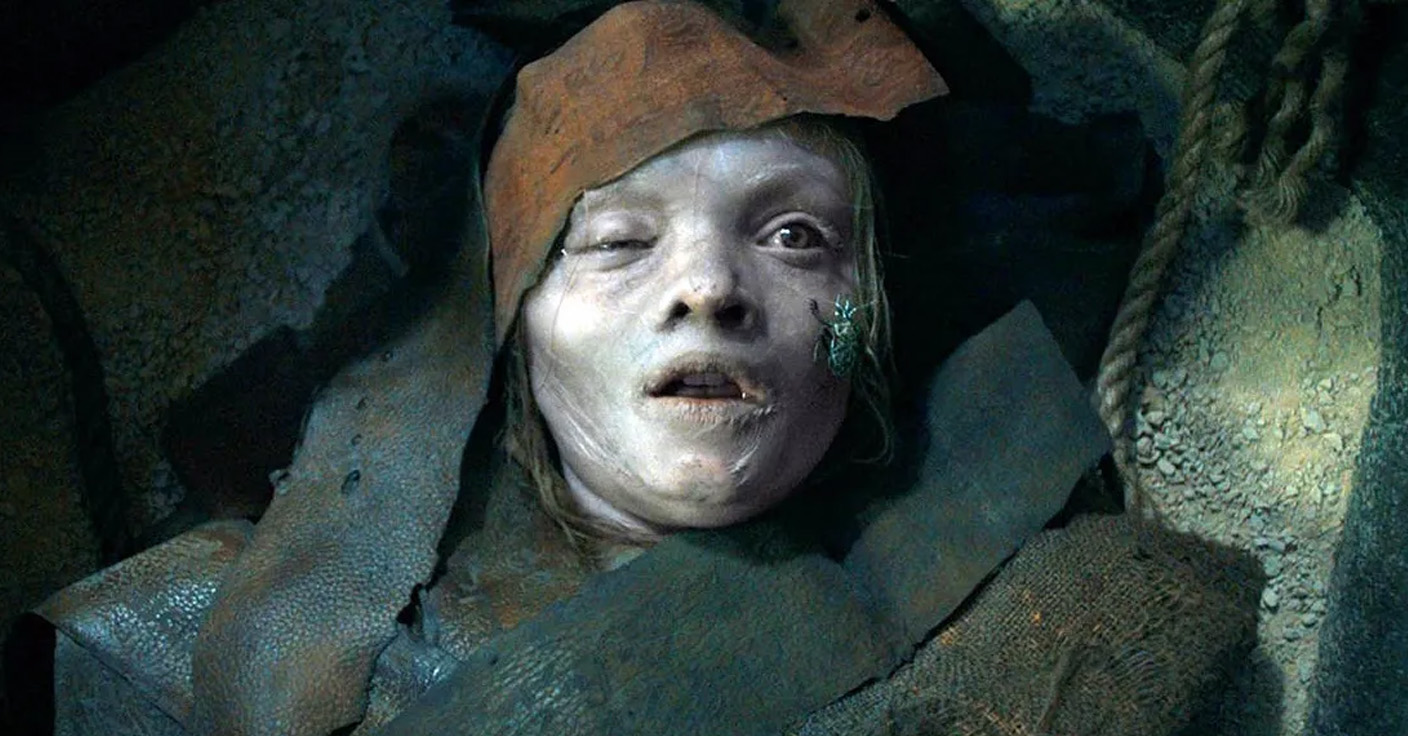

The sandy, action-packed adventures that defined The Mummy franchise for a generation are officially dead. In their place, a new, terrifying vision is rising. Universal Pictures has handed the keys to their most ancient monster to director Lee Cronin, and if the early buzz is any indication, audiences need to prepare themselves for a visceral, body-horror nightmare when The Mummy arrives in April 2026.
This is not a reboot in the traditional sense; it is a total, ground-up reimagining. After the critical disaster of the 2017 Tom Cruise action vehicle, the studio seemingly learned its lesson: monster movies work best when they focus on horror. By selecting Cronin, the mastermind behind the delightfully gory and claustrophobic Evil Dead Rise (2023), Universal is signaling a dramatic shift toward the supernatural and the grotesque.
We’ve dug through the trending news and early plot leaks to assemble everything you need to know about this highly anticipated horror event.
The Plot Leaks: A Missing Daughter and a Modern Plague
While official plot details remain tightly wrapped (pun intended), insiders have leaked a disturbing and grounded premise that leans heavily into Cronenberg-esque body horror and psychological trauma.
Instead of an intrepid adventurer and a bumbling librarian, our protagonist is reportedly a modern investigative journalist (rumored to be played by The Hole in the Ground‘s Seána Kerslake). The narrative begins not in Egypt, but in a European city, where she is consumed by the cold case of her daughter, who disappeared years ago while working on an excavation. The trail went cold until new footage or artifacts emerge, suggesting the missing girl didn’t simply vanish—she was changed.
This sets the stage for a journey to the remote desert location of the original dig, but the threats encountered are likely supernatural and pathological rather than swarms of CGI scarabs.
A New Breed of Mummy
The most significant departure from past iterations is the monster itself. Cronin’s The Mummy will allegedly discard the iconic “sand monster” dynamic and the “reincarnated lover” archetype that defined both the 1932 Boris Karloff original and the 1999 Stephen Sommers blockbuster.
Instead, the film is expected to explore the concept of mummification as a horrific state or a process—a curse akin to a virus that consumes the host and binds them to an ancient will. This ties directly into the “journalist’s daughter” plotline, suggesting the transformation is slow, painful, and terrifyingly intimate. Early concept art descriptions hint at fusion: human anatomy merging with ancient wrappings, translucent flesh, and exposed bone structure. Think less “man in bandages” and more “human dissolving into ancient matter.”
Why Lee Cronin is the Perfect Fit
The decision to hire Lee Cronin is the most exciting piece of news associated with the project. His work on Evil Dead Rise demonstrated a masterful control of intense, single-location tension and a commitment to jaw-dropping, practical special effects.
Cronin excels at taking supernatural entities and grounding them in visceral, painful reality. In Evil Dead Rise, he made a possessed mother terrorize her children in a dingy apartment. If he applies that same level of claustrophobia and intimate terror to the boundless desert and an ancient curse, The Mummy could become one of the most frightening studio films of the decade. Expect the “found footage” energy and chaotic handheld style that defined his previous horror hits.
The Trending Buzz: Redefining the Universal Monsters
The context of this movie within the broader “Universal Monsters” landscape cannot be overstated. After abandoning their “Dark Universe” shared action-franchise concept, Universal pivoted to filmmaker-driven, distinct, and scary takes on their classic properties. This model began with Leigh Whannell’s brilliant, low-budget hit The Invisible Man (2020), which reframed the monster as a terrifying metaphor for domestic abuse.
Cronin’s The Mummy is the next major step in this strategy, along with other highly anticipated projects like Maggie Gyllenhaal’s The Bride! (set for March 2026). The buzz trending online reflects an audience that is hungry for serious, innovative horror. They don’t want a generic action movie; they want to be genuinely terrified of the classic monsters again.
If the 2017 film was a lesson in how not to reboot a franchise, Lee Cronin’s 2026 vision seems tailored to correct every one of its mistakes. By centering the story on familial loss, embracing body horror, and restoring the creature to its terrifying roots, The Mummy is poised to become the definitive modern take on an ancient legend. We’ll be watching the desert sands closely as we approach its April 2026 release.

About the author

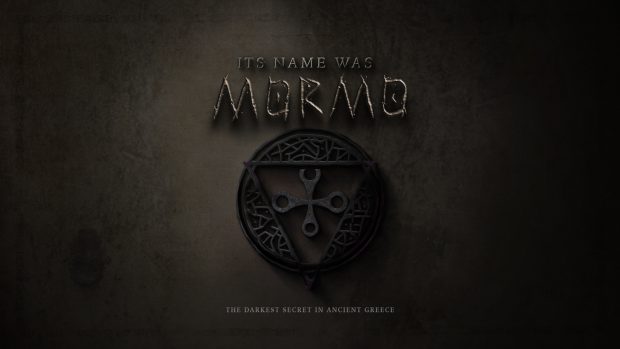
‘Its Name Was Mormo’ Review: Fear-filled Hearts & Close Encounters
In Mark Bower’s staggering handmade visionary tale, his first movie has drawn the attention of nine international film distributors. A Haunting Tale Mark Bower's handmade visionary performance, "Its Name Was Mormo," is a haunting exploration of fear and the supernatural, capturing audiences with its raw and immersive storytelling which delves into the realm of psyche horror, evoking a sense of dread that lingers long after the camera battery dies. Plot and Atmosphere Set in a desolate, rural town, Its Name Was Mormo > follows the unsettling experiences of a family who encounter an evil entity known as Mormo. The film masterfully builds tension through its eerie landscapes, unsettling silence, and the palpable fear of its characters. Bower’s attention to detail in creating a chilling atmosphere is evident, as each scene is infused with an impending sense of doom. The narrative is […]
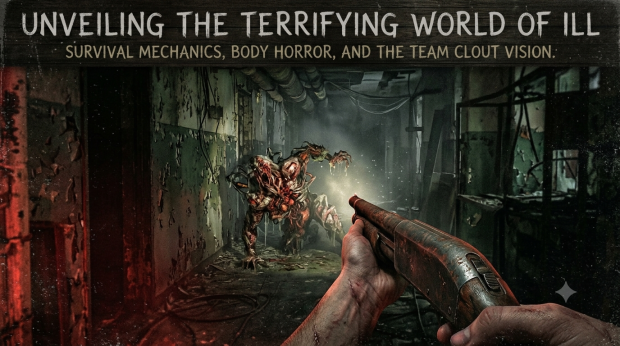
ILL Horror Game: 5 Huge Updates for the 2027 Release
Are you ready to face your darkest nightmares in the upcoming ILL horror game? Unveiled recently at the June 2026 State of Play, this terrifying title is already making waves across the gaming community. What is the ILL horror game? The ILL horror game is a realistic first-person action survival experience set in a massive research fort overrun by grotesque monsters. Players must navigate terrifying environments, manage scarce resources, and utilize an advanced dismemberment system to survive against unpredictable Aberrations. With an official launch window set for 2027 on PC, PS5, and Xbox Series X/S, fans are eager to learn more. This comprehensive guide covers everything from plot details to gameplay mechanics, ensuring you are fully prepared for the terror that awaits. Let's dive into the shadows and uncover what makes this title so highly anticipated. Quick Summary: Key Takeaways […]
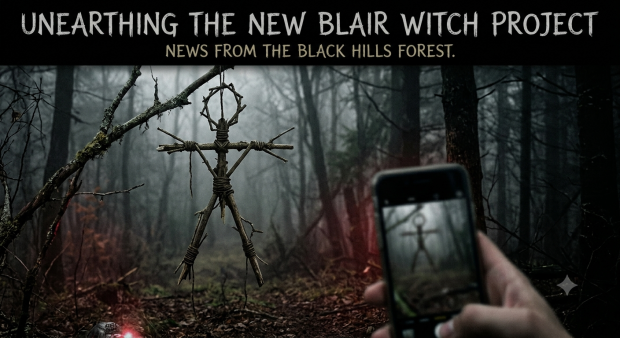
Lionsgate New Blair Witch Project Movie: 7 Shocking Updates
Horror fans are returning to the dark, unforgiving woods of Burkittsville, Maryland, and this time, the stakes have never been higher. Decades after three student filmmakers vanished in the Black Hills Forest, a terrifying new chapter is officially underway. What is the Lionsgate new Blair Witch Project movie? The Lionsgate new Blair Witch Project movie is an upcoming horror reboot scheduled for theatrical release on September 24, 2027. Produced by horror giants Jason Blum and James Wan, the film follows a family stalked in the woods and aims to revitalize the iconic franchise for a modern audience. It has been a long time since the original indie horror film redefined our collective nightmares. Now, a fresh generation of filmmakers is taking the reins to drag this terrifying legend into the modern era. This comprehensive guide breaks down everything from the […]

Why You Must Stay Away From Victims: The Blueprint for Protecting Your Peace and Power
https://www.tiktok.com/@iam.braveways Why You Must Stay Away From Victims: The Blueprint for Protecting Your Peace and Power The modern world has developed a dangerous addiction: it rewards, coddles, and even celebrates the "poor me" mindset. But if your goal is to build an undeniable life, forge ironclad discipline, and raise a family built on resilience, there is one rule you cannot compromise on: you must stay away from victims. As a man, a father, and a leader, your energy is your most valuable asset. You simply cannot afford to drain it by entertaining people who start fires and then complain about the heat. https://www.tiktok.com/@iam.braveways/video/7659007417371331862 The harsh reality is that playing the victim is an effective manipulation tactic. It allows people to extract time, resources, and emotional labor from you without ever having to take accountability for their own lives. They shatter […]

Spending Time With Children: Their Enchanted World
Main Takeaways Spending time with children creates the emotional foundation they carry into adulthood. Childhood is short and irreplaceable, and the way you show up during those years becomes part of your family’s long‑term legacy. Children remember participation, presence, and connection—not productivity or adult obligations. Why Spending Time With Children Shapes Their Entire Future Every parent wants to leave something meaningful behind for the next generation. Some focus on financial security, some on discipline, and others on opportunities they never had themselves. But the most powerful inheritance a child receives is not material—it’s emotional. It’s the foundation built through spending time with children, being present, and participating in their world before society reshapes it. The message behind the story of a child leaving his imaginary world for the demands of school reveals a truth many adults overlook. Children do not […]
Loyalty Code: Top 5 Principles Protectors Live By
https://www.youtube.com/shorts/WSN--uH1bcs Main Takeaways The loyalty code defines who earns a place in your circle and who must be removed from it. Respect, trust, and boundaries form the structural pillars of the loyalty code. A protector evaluates relationships through discipline, clarity, and consistent standards. Why the Loyalty Code Matters In a world where relationships shift quickly and loyalty is often treated as optional, the loyalty code stands as a disciplined framework for understanding who truly belongs in your life. It is not a trend, a slogan, or a motivational idea. It is a practical, grounded set of principles that determine who supports your mission, who respects your path, and who can be trusted to stand beside you when pressure rises. This article breaks down the top five principles of the loyalty code, each rooted in clarity, boundaries, and earned trust. These […]
A True Protector: Nine Simple Steps – Welcome to Braveways
Someone tried to kidnap my daughter. That night didn’t just change my life — it rewired my instincts. What came after wasn’t Braveways as just a brand or a channel. It was the code, a protector’s mindset forged in fear, rebuilt through purpose, and sharpened by the responsibility of fatherhood. https://www.youtube.com/shorts/f9bMgmCamxA A True Protector: Nine ways for a parent to stand between those who rely on them and the dark. 1. Know Why You Stay Ready Before danger appears, before that tingling feeling of fear rises in your throat, there is a decision our minds face with fight or flight, we need to crack that open and understand it properly before we can implement a solid solution. You don’t train for the moment. You train because the moment can come without warning. As a protective parent, readiness is not paranoia […]
Related
Lionsgate New Blair Witch Project Movie: 7 Shocking Updates
Horror fans are returning to the dark, unforgiving woods of Burkittsville, Maryland, and this time, the stakes have never been higher. Decades after three student filmmakers vanished in the Black Hills Forest, a terrifying new chapter is officially underway. What is the Lionsgate new Blair Witch Project movie? The Lionsgate new Blair Witch Project movie is an upcoming horror reboot scheduled for theatrical release on September 24, 2027. Produced by horror giants Jason Blum and James Wan, the film follows a family stalked in the woods and aims to revitalize the iconic franchise for a modern audience. It has been a long time since the original indie horror film redefined our collective nightmares. Now, a fresh generation of filmmakers is taking the reins to drag this terrifying legend into the modern era. This comprehensive guide breaks down everything from the […]
Call Me Nothing: How a Real Attempted Kidnapping Became a Story with Soul.
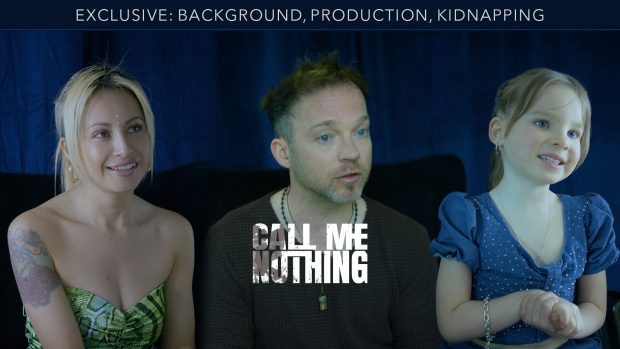
When audiences watch the interview featurette for Call Me Nothing, they’re struck first by the intimacy. There is no Hollywood polish, no artificial distance between the storytellers and the story. Instead, the camera lingers on a family speaking plainly about the night that changed their lives — the night a stranger walked into their garden and tried to take their daughter. It is a moment that could have ended in tragedy, but instead became the emotional core of a film that refuses to sensationalize trauma. Call Me Nothing is not just a thriller. It is a reconstruction of memory, fear, and survival. And the interview — now circulating online — reveals just how deeply the film is rooted in lived experience. Mark Bowers - the director, Marcela Cardenas - the mother, Mia bowers and Mylee Bowers - the daughters - […]

The Backrooms Movie: Inside the Viral Horror Phenomenon Dominating 2026 — Trailer Reactions, Director Spotlight, Cast Buzz & Cultural Impact
The Backrooms movie has exploded across the internet, becoming one of the most talked‑about horror releases of 2026. With A24 dropping the first official trailer and new posters, social media platforms have ignited with discussion, speculation, and excitement. The film, directed by 20‑year‑old Kane Parsons, adapts one of the most iconic internet urban legends of the past decade — a creepypasta that grew into a global cultural phenomenon. This article breaks down every trending topic surrounding the Backrooms movie: the origins of the myth, the trailer’s reception, the cast, the director’s meteoric rise, the film’s production details, and why the Backrooms concept resonates so deeply with modern audiences. 1. The Backrooms: From Creepypasta to A24 Horror Event The Backrooms began as a single unsettling image posted anonymously on 4chan in 2019 — a yellow‑tinted, empty office space lit by buzzing […]
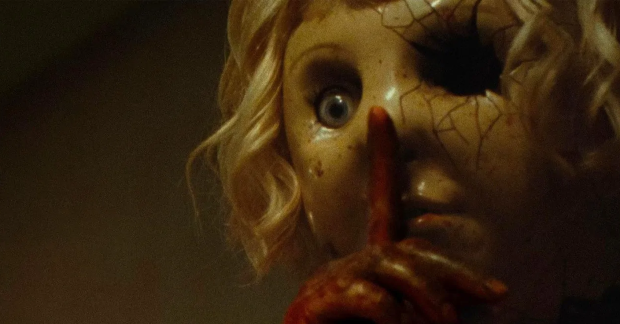
Resurrecting the Grindhouse: How Dolly Used 16mm Film to Capture the Spirit of The Texas Chain Saw Massacre
In an era where horror movies are often polished to a pristine, digital sheen, director Rod Blackhurst’s 2026 indie slasher Dolly chose to drag audiences back into the dirt. A brutal, unapologetic homage to 1970s exploitation cinema, the film has made waves for its suffocating atmosphere and a hulking, porcelain-masked killer who feels like the spiritual successor to Leatherface. But Dolly doesn’t just feel like a vintage slasher—it looks exactly like one. To replicate the iconic, grimy aesthetic of Tobe Hooper’s 1974 masterpiece The Texas Chain Saw Massacre, Blackhurst and cinematographer Justin Derry ditched modern digital rigs in favor of shooting entirely on 16mm film. Here is how they used vintage analog methods to resurrect the ultimate grindhouse look. The Power of the 16mm Format To understand why Dolly looks so uniquely terrifying, you have to look at the medium […]
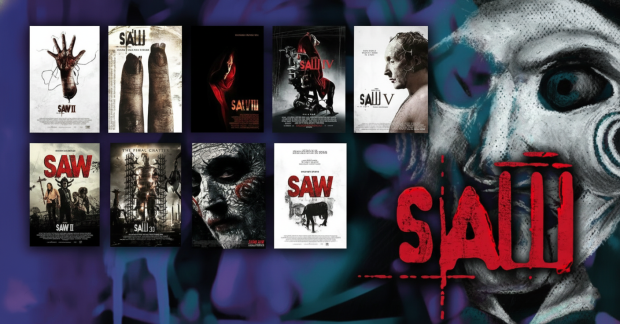
The Complete Saw Franchise Is Now Streaming on Peacock: A Definitive Guide for Horror Fans
Horror fans have a major reason to celebrate. One of the most influential and brutal horror series of the 21st century is now easier than ever to revisit. The entire Saw franchise is officially streaming on Peacock, giving viewers instant access to all ten films in the iconic saga. Whether you’re a longtime fan of Jigsaw’s twisted philosophy or a newcomer ready to experience the traps for the first time, this is the perfect opportunity for a full franchise marathon. This streaming milestone comes on the heels of one of the biggest horror industry stories of recent years: Blumhouse’s acquisition of the Saw franchise in 2025, which reunited original creators James Wan and Leigh Whannell with the property that launched their careers. With renewed creative energy behind the scenes and renewed accessibility on streaming, Saw is once again dominating the […]

‘The Mummy’ Lee Cronin and Blumhouse Resurrect the Classic Monster for an April 2026 Release
The director of Evil Dead Rise is bringing a terrifying, horror-first approach to The Mummy, leaving the action-adventure style behind. Universal Pictures is taking another stab at their classic monsters, and for The Mummy (2026), they have recruited one of the most exciting voices in modern horror: Lee Cronin. After the massive success of Evil Dead Rise, Cronin has been tapped to write and direct a new version of The Mummy, set for release on April 17, 2026. This is not a sequel to the Brendan Fraser films, nor is it related to the Tom Cruise flop. This The Mummy is pure nightmare fuel. Lee Cronin has publicly stated that his vision for The Mummy is "dark, scary, and violent." Gone are the campy one-liners; The Mummy (2026) returns to the character's roots as a figure of undead dread. The […]