
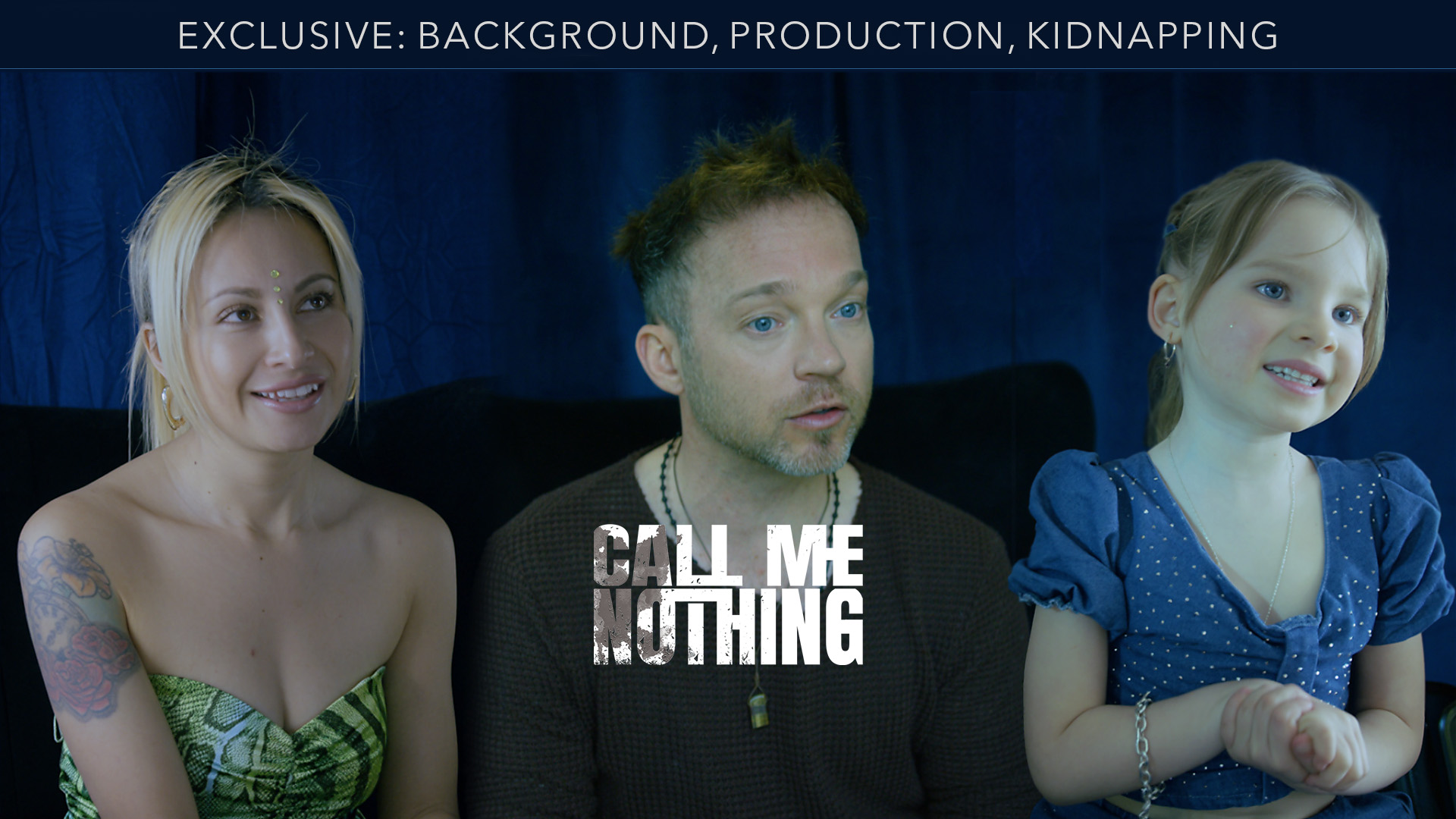



When audiences watch the interview featurette for Call Me Nothing, they’re struck first by the intimacy. There is no Hollywood polish, no artificial distance between the storytellers and the story. Instead, the camera lingers on a family speaking plainly about the night that changed their lives — the night a stranger walked into their garden and tried to take their daughter. It is a moment that could have ended in tragedy, but instead became the emotional core of a film that refuses to sensationalize trauma.
Call Me Nothing is not just a thriller. It is a reconstruction of memory, fear, and survival. And the interview — now circulating online — reveals just how deeply the film is rooted in lived experience.
Mark Bowers – the director, Marcela Cardenas – the mother, Mia bowers and Mylee Bowers – the daughters – are presented not as performers, but as witnesses. This is the foundation of Call Me Nothing: a real event, retold through the lens of psychological cinema, where memory becomes a labyrinth and sound becomes the language of fear.
THE REAL EVENT: A GARDEN, A GATE, A STRANGER
The interview explains the family recounting the moment that still haunts her. Her daughter, Mia, was playing in the garden — a safe, familiar space. The kind of place where a child’s laughter blends with the wind, where toys lie scattered in the grass, where danger feels impossible.
The interview makes it clear: the film is not a reenactment. It is a translation of trauma into cinematic language.
THE FILM’S STRUCTURE: A MIND IN FRAGMENTS
In the interview, the director explains the film’s central device: fragments. Not scenes. Not chapters. Not flashbacks. Fragments.
Each fragment is a broken piece of memory — incomplete, distorted, and emotionally charged. They appear as sound events, visual flashes, and sensory echoes. The father describes trauma not as a story, but as a series of disconnected impressions. “Trauma doesn’t give you a narrative. It gives you fragments.”
This idea became the backbone of the film.
The moment of the attempted kidnapping, revealed in full.
The interview reveals how these fragments were not just narrative devices, but emotional ones. They mirror the way the daughter remembers the event — not as a sequence, but as flashes.
The daughter herself says in the interview: “I remember freezing. I remember not being able to speak.”
Her real experience becomes the emotional blueprint for Amaris, the fictional protagonist who wakes up in a cage with no memory of how she got there.
THE CAGE: A METAPHOR FOR TRAUMA
Half the film takes place inside a cage. The other half inside a locked room.
These spaces are not literal representations of the real event. They are psychological constructs — metaphors for the internal imprisonment that trauma creates.
In the interview, the father explains: “In the film, she wakes up in a cage with no memory. That’s how trauma works. It erases the middle… and leaves you with the fear.”
The cage is the freeze response. The locked room is the dissociation. The fragments are the intrusive memories.
The mother adds: “She goes mute. She hears things that aren’t there. That’s what happens after real fear — your mind keeps replaying the danger.”
This is where the film becomes more than a thriller. It becomes a study of the psychological aftermath of terror.
THE SOUND DESIGN: FEAR AS A FREQUENCY
One of the most striking elements discussed in the interview is the film’s use of sound. The director cites films like Paranormal Activity and Undertone, where tension is built through escalating “night events” or “file events.”
But Call Me Nothing takes a different approach. These sounds escalate in intensity, creating a wave of dread that builds toward the climax.
The daughter explains: “The sounds get worse. The memories get clearer. And she starts to remember what really happened.”
This is the film’s tension engine — a psychological countdown.
THE CASSETTES: TRUTH AS A RECORDING
In the interview, the mother mentions the cassettes — two physical objects that Amaris finds in the locked room. These tapes contain recordings that slowly reveal the truth.
The cassettes serve three purposes:
-
- Narrative clarity
-
- Psychological tension
-
- Structural escalation
The father describes them as “anchors” in a sea of fragmented memory. Each cassette pulls Amaris closer to the truth — and closer to the masked man who still haunts her.
THE MASKED MAN: FEAR GIVEN FORM
The masked man is not a character in the traditional sense. He is a manifestation of fear.
In the interview, the director explains that the masked man represents:
-
- The stranger
-
- The unknown
-
- The threat
-
- The memory
-
- The trauma
He is not given a backstory. He is not given dialogue. He is not given humanity.
He is a shadow, a sound, a presence.
The daughter says: “I remember the man. I remember freezing.”
That memory becomes the masked man’s entire identity.
CONCLUSION: WHY THIS INTERVIEW MATTERS
The interview featurette is more than promotional material. It is a window into the emotional reality behind the film.
It shows:
-
- A family confronting their past
-
- A director turning trauma into art
-
- A mother reliving the moment she almost lost her child
-
- A daughter reclaiming her voice
-
- A film built on fragments of memory, sound, and fear
It is rare for a thriller to be this personal. Rarer still for the storytellers to speak so openly about the real event that inspired it.
Call Me Nothing is not just a film. It is a testimony.
Previous


About the author

‘Its Name Was Mormo’ Review: Fear-filled Hearts & Close Encounters
In Mark Bower’s staggering handmade visionary tale, his first movie has drawn the attention of nine international film distributors. A Haunting Tale Mark Bower's handmade visionary performance, "Its Name Was Mormo," is a haunting exploration of fear and the supernatural, capturing audiences with its raw and immersive storytelling which delves into the realm of psyche horror, evoking a sense of dread that lingers long after the camera battery dies. Plot and Atmosphere Set in a desolate, rural town, Its Name Was Mormo > follows the unsettling experiences of a family who encounter an evil entity known as Mormo. The film masterfully builds tension through its eerie landscapes, unsettling silence, and the palpable fear of its characters. Bower’s attention to detail in creating a chilling atmosphere is evident, as each scene is infused with an impending sense of doom. The narrative is […]
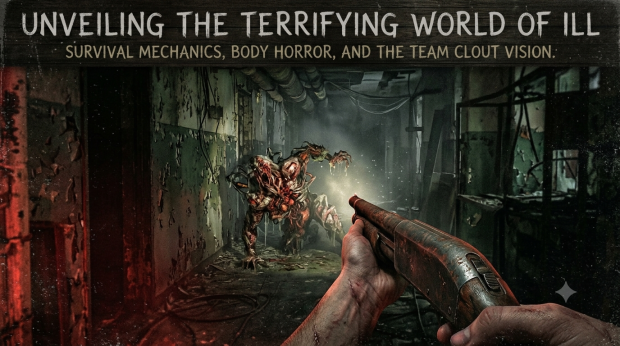
ILL Horror Game: 5 Huge Updates for the 2027 Release
Are you ready to face your darkest nightmares in the upcoming ILL horror game? Unveiled recently at the June 2026 State of Play, this terrifying title is already making waves across the gaming community. What is the ILL horror game? The ILL horror game is a realistic first-person action survival experience set in a massive research fort overrun by grotesque monsters. Players must navigate terrifying environments, manage scarce resources, and utilize an advanced dismemberment system to survive against unpredictable Aberrations. With an official launch window set for 2027 on PC, PS5, and Xbox Series X/S, fans are eager to learn more. This comprehensive guide covers everything from plot details to gameplay mechanics, ensuring you are fully prepared for the terror that awaits. Let's dive into the shadows and uncover what makes this title so highly anticipated. Quick Summary: Key Takeaways […]
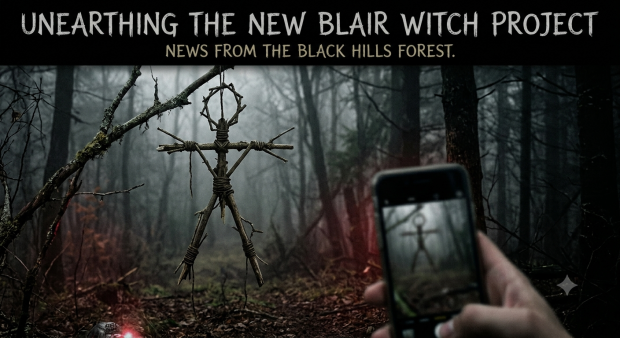
Lionsgate New Blair Witch Project Movie: 7 Shocking Updates
Horror fans are returning to the dark, unforgiving woods of Burkittsville, Maryland, and this time, the stakes have never been higher. Decades after three student filmmakers vanished in the Black Hills Forest, a terrifying new chapter is officially underway. What is the Lionsgate new Blair Witch Project movie? The Lionsgate new Blair Witch Project movie is an upcoming horror reboot scheduled for theatrical release on September 24, 2027. Produced by horror giants Jason Blum and James Wan, the film follows a family stalked in the woods and aims to revitalize the iconic franchise for a modern audience. It has been a long time since the original indie horror film redefined our collective nightmares. Now, a fresh generation of filmmakers is taking the reins to drag this terrifying legend into the modern era. This comprehensive guide breaks down everything from the […]

Why You Must Stay Away From Victims: The Blueprint for Protecting Your Peace and Power
https://www.tiktok.com/@iam.braveways Why You Must Stay Away From Victims: The Blueprint for Protecting Your Peace and Power The modern world has developed a dangerous addiction: it rewards, coddles, and even celebrates the "poor me" mindset. But if your goal is to build an undeniable life, forge ironclad discipline, and raise a family built on resilience, there is one rule you cannot compromise on: you must stay away from victims. As a man, a father, and a leader, your energy is your most valuable asset. You simply cannot afford to drain it by entertaining people who start fires and then complain about the heat. https://www.tiktok.com/@iam.braveways/video/7659007417371331862 The harsh reality is that playing the victim is an effective manipulation tactic. It allows people to extract time, resources, and emotional labor from you without ever having to take accountability for their own lives. They shatter […]

Spending Time With Children: Their Enchanted World
Main Takeaways Spending time with children creates the emotional foundation they carry into adulthood. Childhood is short and irreplaceable, and the way you show up during those years becomes part of your family’s long‑term legacy. Children remember participation, presence, and connection—not productivity or adult obligations. Why Spending Time With Children Shapes Their Entire Future Every parent wants to leave something meaningful behind for the next generation. Some focus on financial security, some on discipline, and others on opportunities they never had themselves. But the most powerful inheritance a child receives is not material—it’s emotional. It’s the foundation built through spending time with children, being present, and participating in their world before society reshapes it. The message behind the story of a child leaving his imaginary world for the demands of school reveals a truth many adults overlook. Children do not […]
Loyalty Code: Top 5 Principles Protectors Live By
https://www.youtube.com/shorts/WSN--uH1bcs Main Takeaways The loyalty code defines who earns a place in your circle and who must be removed from it. Respect, trust, and boundaries form the structural pillars of the loyalty code. A protector evaluates relationships through discipline, clarity, and consistent standards. Why the Loyalty Code Matters In a world where relationships shift quickly and loyalty is often treated as optional, the loyalty code stands as a disciplined framework for understanding who truly belongs in your life. It is not a trend, a slogan, or a motivational idea. It is a practical, grounded set of principles that determine who supports your mission, who respects your path, and who can be trusted to stand beside you when pressure rises. This article breaks down the top five principles of the loyalty code, each rooted in clarity, boundaries, and earned trust. These […]
A True Protector: Nine Simple Steps – Welcome to Braveways
Someone tried to kidnap my daughter. That night didn’t just change my life — it rewired my instincts. What came after wasn’t Braveways as just a brand or a channel. It was the code, a protector’s mindset forged in fear, rebuilt through purpose, and sharpened by the responsibility of fatherhood. https://www.youtube.com/shorts/f9bMgmCamxA A True Protector: Nine ways for a parent to stand between those who rely on them and the dark. 1. Know Why You Stay Ready Before danger appears, before that tingling feeling of fear rises in your throat, there is a decision our minds face with fight or flight, we need to crack that open and understand it properly before we can implement a solid solution. You don’t train for the moment. You train because the moment can come without warning. As a protective parent, readiness is not paranoia […]
Related
Lionsgate New Blair Witch Project Movie: 7 Shocking Updates
Horror fans are returning to the dark, unforgiving woods of Burkittsville, Maryland, and this time, the stakes have never been higher. Decades after three student filmmakers vanished in the Black Hills Forest, a terrifying new chapter is officially underway. What is the Lionsgate new Blair Witch Project movie? The Lionsgate new Blair Witch Project movie is an upcoming horror reboot scheduled for theatrical release on September 24, 2027. Produced by horror giants Jason Blum and James Wan, the film follows a family stalked in the woods and aims to revitalize the iconic franchise for a modern audience. It has been a long time since the original indie horror film redefined our collective nightmares. Now, a fresh generation of filmmakers is taking the reins to drag this terrifying legend into the modern era. This comprehensive guide breaks down everything from the […]
The Backrooms Movie: Inside the Viral Horror Phenomenon Dominating 2026 — Trailer Reactions, Director Spotlight, Cast Buzz & Cultural Impact
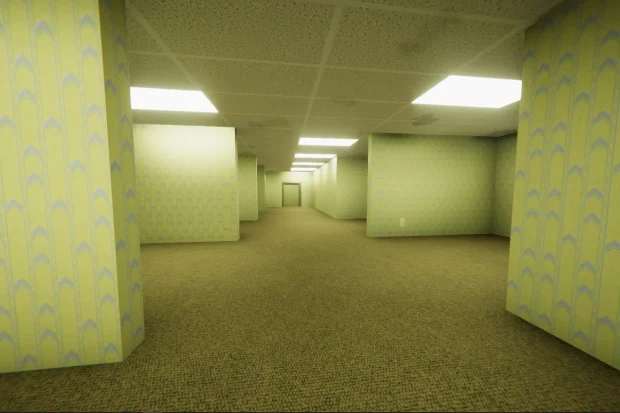
The Backrooms movie has exploded across the internet, becoming one of the most talked‑about horror releases of 2026. With A24 dropping the first official trailer and new posters, social media platforms have ignited with discussion, speculation, and excitement. The film, directed by 20‑year‑old Kane Parsons, adapts one of the most iconic internet urban legends of the past decade — a creepypasta that grew into a global cultural phenomenon. This article breaks down every trending topic surrounding the Backrooms movie: the origins of the myth, the trailer’s reception, the cast, the director’s meteoric rise, the film’s production details, and why the Backrooms concept resonates so deeply with modern audiences. 1. The Backrooms: From Creepypasta to A24 Horror Event The Backrooms began as a single unsettling image posted anonymously on 4chan in 2019 — a yellow‑tinted, empty office space lit by buzzing […]
Resurrecting the Curse: How Lee Cronin’s ‘The Mummy’ Reimagines the Classic Monster for 2026
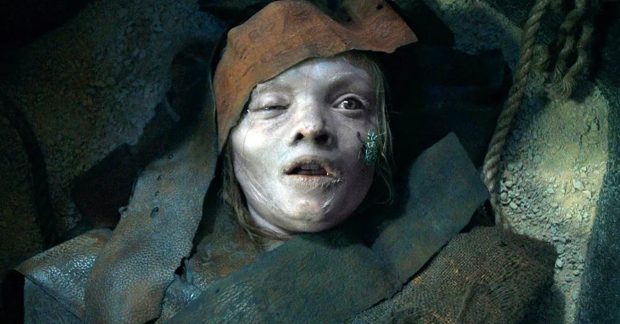
The sandy, action-packed adventures that defined The Mummy franchise for a generation are officially dead. In their place, a new, terrifying vision is rising. Universal Pictures has handed the keys to their most ancient monster to director Lee Cronin, and if the early buzz is any indication, audiences need to prepare themselves for a visceral, body-horror nightmare when The Mummy arrives in April 2026. This is not a reboot in the traditional sense; it is a total, ground-up reimagining. After the critical disaster of the 2017 Tom Cruise action vehicle, the studio seemingly learned its lesson: monster movies work best when they focus on horror. By selecting Cronin, the mastermind behind the delightfully gory and claustrophobic Evil Dead Rise (2023), Universal is signaling a dramatic shift toward the supernatural and the grotesque. We’ve dug through the trending news and early […]
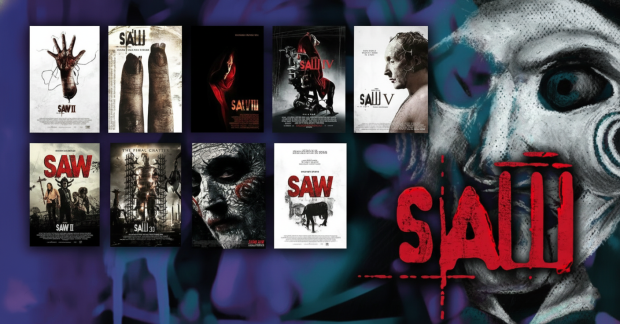
The Complete Saw Franchise Is Now Streaming on Peacock: A Definitive Guide for Horror Fans
Horror fans have a major reason to celebrate. One of the most influential and brutal horror series of the 21st century is now easier than ever to revisit. The entire Saw franchise is officially streaming on Peacock, giving viewers instant access to all ten films in the iconic saga. Whether you’re a longtime fan of Jigsaw’s twisted philosophy or a newcomer ready to experience the traps for the first time, this is the perfect opportunity for a full franchise marathon. This streaming milestone comes on the heels of one of the biggest horror industry stories of recent years: Blumhouse’s acquisition of the Saw franchise in 2025, which reunited original creators James Wan and Leigh Whannell with the property that launched their careers. With renewed creative energy behind the scenes and renewed accessibility on streaming, Saw is once again dominating the […]
Horror Story – The Porcelain Whisperer
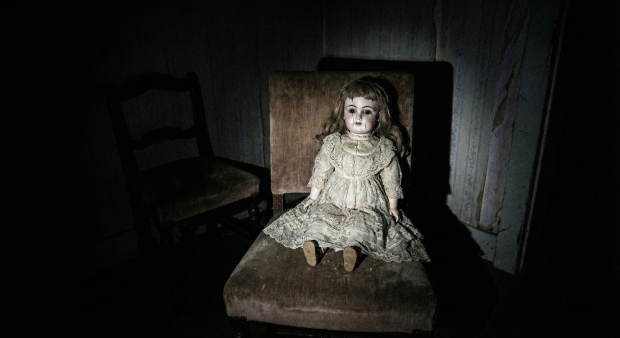
A forgotten relic in the basement awakes, beckoning the eldest daughter into the darkness. The old Victorian house on Elm Street always felt a little too big for the Miller family, and definitely too quiet at night. During the day, it was full of life. Mommy (Sarah) was always baking or working in her home office, while Daddy (Tom) was busy fixing things that constantly broke in the aging structure. Six-year-old Lily filled the hallways with laughter, usually chased by Barnaby, their lazy orange tabby, and Luna, a sleek black cat who seemed to see things no one else did.[Horror Story] Fourteen-year-old Elara, however, found the house unsettling. It started a month after they moved in. At first, Elara thought it was just the wind whistling through the old chimney. It was a faint sound, barely a scratch on the […]
Horror Story – The Midwife of Blackwood Creek
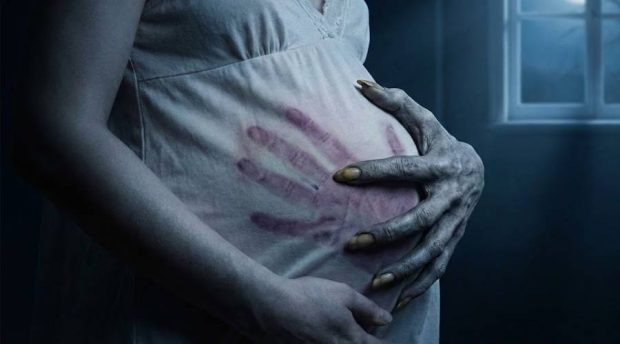
Disclaimer: The following narrative is constructed from a collection of recovered journals, police transcripts from the fateful night of February 12, 1998, and interviews with the surviving family members. To protect their privacy, names and specific locations in West Virginia have been altered Part I: The Isolation The isolation of the Appalachian Mountains is deceptive. In the summer, it feels like a green, lush embrace. But in the dead of winter, when the trees are stripped bare and look like skeletal fingers clawing at the grey sky, it feels like a cage. For Sarah and David, the farmhouse on Blackwood Creek was supposed to be their sanctuary. Purchased for a suspiciously low price in the late autumn of 1997, it sat on forty acres of dense pine forest, miles away from the nearest paved road. Sarah was eight months pregnant, […]