
Main Takeaways
- The loyalty code defines who earns a place in your circle and who must be removed from it.
- Respect, trust, and boundaries form the structural pillars of the loyalty code.
- A protector evaluates relationships through discipline, clarity, and consistent standards.
Why the Loyalty Code Matters
In a world where relationships shift quickly and loyalty is often treated as optional, the loyalty code stands as a disciplined framework for understanding who truly belongs in your life. It is not a trend, a slogan, or a motivational idea. It is a practical, grounded set of principles that determine who supports your mission, who respects your path, and who can be trusted to stand beside you when pressure rises.
This article breaks down the top five principles of the loyalty code, each rooted in clarity, boundaries, and earned trust. These principles are not abstract theories. They are the real‑world rules protectors rely on to build strong circles, maintain discipline, and safeguard the work they’ve built. Whether you’re leading a family, a team, or a personal mission, the loyalty code gives you a structure for evaluating relationships with precision and confidence.
What Is the Loyalty Code?
The loyalty code is a structured set of principles that guides how protectors evaluate trust, respect, boundaries, and commitment in their relationships. It defines who belongs in their inner circle and who does not, based on consistent actions rather than words.
The Top 5 Principles of the Loyalty Code
1. Loyalty Is the Ultimate Currency
At the core of the loyalty code is the understanding that loyalty is the only real currency that determines someone’s place in your life. Titles, status, and surface‑level gestures mean little compared to consistent, demonstrated loyalty. A protector does not measure people by what they claim to be, but by what they repeatedly show through their actions.
Loyalty reveals itself in moments of pressure, conflict, and uncertainty. When someone stands firm during those moments, they earn their place. When they disappear, hesitate, or shift their allegiance based on convenience, they reveal their true position. The loyalty code demands that you evaluate people not through emotion, but through patterns. If someone cannot recognise your value, your discipline, or your contribution, they have no business sitting at your table.
This principle reinforces a simple truth: loyalty determines proximity. Those who show it stay close. Those who don’t are moved out of the circle without hesitation or resentment. The loyalty code is not about punishment — it is about clarity.
2. Respect Must Match the Path You’ve Walked
Respect is a foundational element of the loyalty code, and it must align with the discipline, sacrifice, and experience that shaped you. A protector does not accept diluted respect, conditional respect, or selective respect. The path you’ve walked — the challenges you’ve faced, the responsibilities you’ve carried, the people you’ve protected — demands a level of respect that reflects reality, not convenience.
When someone fails to acknowledge the work behind who you are, they reveal a misalignment with your mission. Disrespect is rarely loud at first. It often begins subtly: dismissive comments, minimised achievements, or a lack of appreciation for the standards you uphold. But in the loyalty code, even small cracks matter. A protector understands that disrespect is the first sign of erosion in any relationship.
The loyalty code requires you to maintain your standards without apology. You do not allow others to diminish your efforts or undermine your values. You remove those who cannot respect the path you’ve walked, not out of anger, but out of discipline. Respect is not optional — it is structural.
3. You Are Not an Option in Someone Else’s Rotation
One of the clearest rules in the loyalty code is that a protector is never an option, a backup plan, or a placeholder in someone else’s life. When people treat relationships like interchangeable pieces, they reveal their approach to loyalty. If they rotate through connections based on convenience, attention, or short‑term benefit, they will eventually treat you the same way.
The loyalty code demands that you invest only in those who value presence, consistency, and mutual commitment. You choose people who choose you back — not occasionally, not when it suits them, but consistently. A protector’s circle is earned, not open. It is built on reliability, not randomness.
This principle reinforces the importance of self‑respect within the loyalty code. You do not compete for attention. You do not negotiate your worth. You do not wait to be chosen. You stand firm in the understanding that your loyalty is valuable, and only those who recognise that value deserve access to it.
4. Broken Trust Does Not Regrow
Trust is the backbone of the loyalty code, and once it breaks, it does not return to its original form. Trust is not elastic. It does not stretch, snap, and then recover. When someone breaks trust, the relationship does not reset — it changes permanently. A protector does not rebuild bridges someone else burned, nor does he reopen doors someone else slammed shut.
The loyalty code views trust as structural integrity. Once compromised, the structure cannot support the same weight. This principle is not rooted in bitterness or punishment. It is rooted in realism. People show you who they are through their choices, and once they demonstrate that they cannot be trusted with your loyalty, your time, or your mission, the path forward becomes clear.
Moving on is not an emotional reaction — it is a disciplined decision. The loyalty code teaches that clarity is more valuable than reconciliation when trust has been broken. You protect your mission by refusing to carry those who have already shown they cannot carry their share of responsibility.
5. Stand Together — Or Stand Apart
The final principle of the loyalty code is mutual commitment. Loyalty is either shared or it is meaningless. A protector stands with those who stand with him, and he separates from those who do not. This principle is not about creating conflict — it is about establishing alignment.
When someone disrespects your values, undermines your mission, or fails to uphold the standards of the loyalty code, you draw a clear boundary. Not out of anger, but out of discipline. The loyalty code recognises that unity is powerful only when it is genuine. Standing together requires shared values, shared respect, and shared loyalty.
This principle reinforces the idea that relationships are either strengthening your mission or weakening it. There is no neutral ground. The loyalty code ensures that your circle remains strong, focused, and aligned — a group that rises together rather than falls apart.
People Also Ask
- What are the core principles of the loyalty code?
- How do protectors decide who belongs in their circle?
- Why is loyalty considered the ultimate currency?
- Can trust ever be fully rebuilt once broken?
- How do boundaries support the loyalty code?
The loyalty code is more than a concept — it is a disciplined framework for evaluating relationships with clarity and purpose. Through its five core principles, we learned that loyalty is the ultimate currency, respect must match the path you’ve walked, and protectors never allow themselves to be treated as options. We examined why broken trust does not regrow and why standing together only works when loyalty is mutual.
These principles form the backbone of a protector’s mindset. They create stronger circles, clearer boundaries, and more disciplined relationships. The loyalty code ensures that your mission remains protected, your standards remain intact, and your life remains aligned with those who truly stand with you.

About the author


‘Its Name Was Mormo’ Review: Fear-filled Hearts & Close Encounters
In Mark Bower’s staggering handmade visionary tale, his first movie has drawn the attention of nine international film distributors. A Haunting Tale Mark Bower's handmade visionary performance, "Its Name Was Mormo," is a haunting exploration of fear and the supernatural, capturing audiences with its raw and immersive storytelling which delves into the realm of psyche horror, evoking a sense of dread that lingers long after the camera battery dies. Plot and Atmosphere Set in a desolate, rural town, Its Name Was Mormo > follows the unsettling experiences of a family who encounter an evil entity known as Mormo. The film masterfully builds tension through its eerie landscapes, unsettling silence, and the palpable fear of its characters. Bower’s attention to detail in creating a chilling atmosphere is evident, as each scene is infused with an impending sense of doom. The narrative is […]
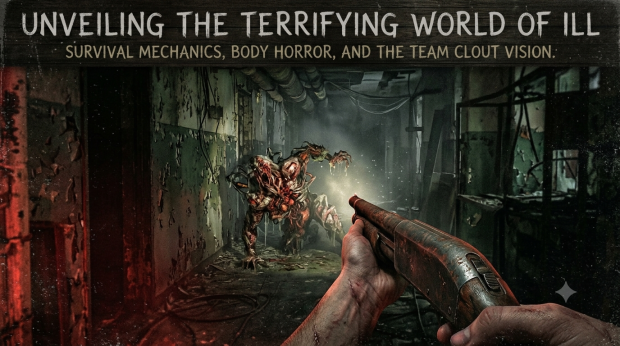
ILL Horror Game: 5 Huge Updates for the 2027 Release
Are you ready to face your darkest nightmares in the upcoming ILL horror game? Unveiled recently at the June 2026 State of Play, this terrifying title is already making waves across the gaming community. What is the ILL horror game? The ILL horror game is a realistic first-person action survival experience set in a massive research fort overrun by grotesque monsters. Players must navigate terrifying environments, manage scarce resources, and utilize an advanced dismemberment system to survive against unpredictable Aberrations. With an official launch window set for 2027 on PC, PS5, and Xbox Series X/S, fans are eager to learn more. This comprehensive guide covers everything from plot details to gameplay mechanics, ensuring you are fully prepared for the terror that awaits. Let's dive into the shadows and uncover what makes this title so highly anticipated. Quick Summary: Key Takeaways […]
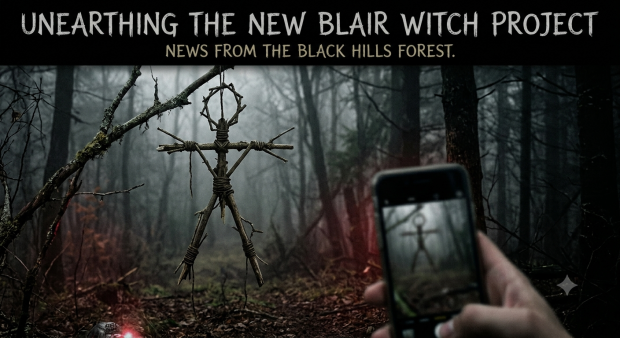
Lionsgate New Blair Witch Project Movie: 7 Shocking Updates
Horror fans are returning to the dark, unforgiving woods of Burkittsville, Maryland, and this time, the stakes have never been higher. Decades after three student filmmakers vanished in the Black Hills Forest, a terrifying new chapter is officially underway. What is the Lionsgate new Blair Witch Project movie? The Lionsgate new Blair Witch Project movie is an upcoming horror reboot scheduled for theatrical release on September 24, 2027. Produced by horror giants Jason Blum and James Wan, the film follows a family stalked in the woods and aims to revitalize the iconic franchise for a modern audience. It has been a long time since the original indie horror film redefined our collective nightmares. Now, a fresh generation of filmmakers is taking the reins to drag this terrifying legend into the modern era. This comprehensive guide breaks down everything from the […]
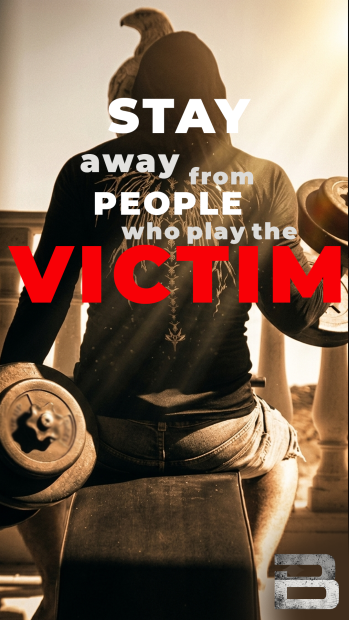
Why You Must Stay Away From Victims: The Blueprint for Protecting Your Peace and Power
https://www.tiktok.com/@iam.braveways Why You Must Stay Away From Victims: The Blueprint for Protecting Your Peace and Power The modern world has developed a dangerous addiction: it rewards, coddles, and even celebrates the "poor me" mindset. But if your goal is to build an undeniable life, forge ironclad discipline, and raise a family built on resilience, there is one rule you cannot compromise on: you must stay away from victims. As a man, a father, and a leader, your energy is your most valuable asset. You simply cannot afford to drain it by entertaining people who start fires and then complain about the heat. https://www.tiktok.com/@iam.braveways/video/7659007417371331862 The harsh reality is that playing the victim is an effective manipulation tactic. It allows people to extract time, resources, and emotional labor from you without ever having to take accountability for their own lives. They shatter […]

Spending Time With Children: Their Enchanted World
Main Takeaways Spending time with children creates the emotional foundation they carry into adulthood. Childhood is short and irreplaceable, and the way you show up during those years becomes part of your family’s long‑term legacy. Children remember participation, presence, and connection—not productivity or adult obligations. Why Spending Time With Children Shapes Their Entire Future Every parent wants to leave something meaningful behind for the next generation. Some focus on financial security, some on discipline, and others on opportunities they never had themselves. But the most powerful inheritance a child receives is not material—it’s emotional. It’s the foundation built through spending time with children, being present, and participating in their world before society reshapes it. The message behind the story of a child leaving his imaginary world for the demands of school reveals a truth many adults overlook. Children do not […]
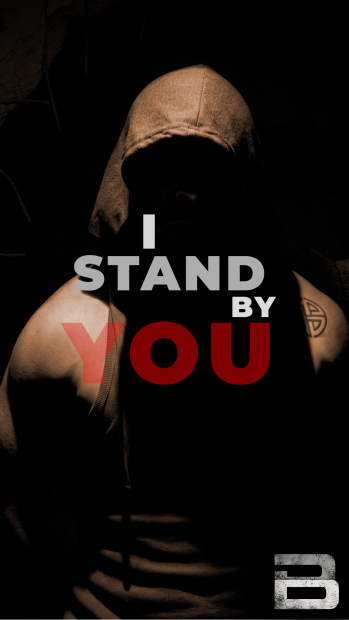
Loyalty Code: Top 5 Principles Protectors Live By
https://www.youtube.com/shorts/WSN--uH1bcs Main Takeaways The loyalty code defines who earns a place in your circle and who must be removed from it. Respect, trust, and boundaries form the structural pillars of the loyalty code. A protector evaluates relationships through discipline, clarity, and consistent standards. Why the Loyalty Code Matters In a world where relationships shift quickly and loyalty is often treated as optional, the loyalty code stands as a disciplined framework for understanding who truly belongs in your life. It is not a trend, a slogan, or a motivational idea. It is a practical, grounded set of principles that determine who supports your mission, who respects your path, and who can be trusted to stand beside you when pressure rises. This article breaks down the top five principles of the loyalty code, each rooted in clarity, boundaries, and earned trust. These […]
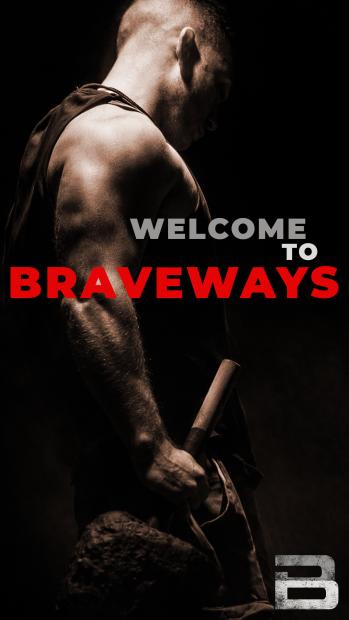
A True Protector: Nine Simple Steps – Welcome to Braveways
Someone tried to kidnap my daughter. That night didn’t just change my life — it rewired my instincts. What came after wasn’t Braveways as just a brand or a channel. It was the code, a protector’s mindset forged in fear, rebuilt through purpose, and sharpened by the responsibility of fatherhood. https://www.youtube.com/shorts/f9bMgmCamxA A True Protector: Nine ways for a parent to stand between those who rely on them and the dark. 1. Know Why You Stay Ready Before danger appears, before that tingling feeling of fear rises in your throat, there is a decision our minds face with fight or flight, we need to crack that open and understand it properly before we can implement a solid solution. You don’t train for the moment. You train because the moment can come without warning. As a protective parent, readiness is not paranoia […]
Related
Why You Must Stay Away From Victims: The Blueprint for Protecting Your Peace and Power
https://www.tiktok.com/@iam.braveways Why You Must Stay Away From Victims: The Blueprint for Protecting Your Peace and Power The modern world has developed a dangerous addiction: it rewards, coddles, and even celebrates the "poor me" mindset. But if your goal is to build an undeniable life, forge ironclad discipline, and raise a family built on resilience, there is one rule you cannot compromise on: you must stay away from victims. As a man, a father, and a leader, your energy is your most valuable asset. You simply cannot afford to drain it by entertaining people who start fires and then complain about the heat. https://www.tiktok.com/@iam.braveways/video/7659007417371331862 The harsh reality is that playing the victim is an effective manipulation tactic. It allows people to extract time, resources, and emotional labor from you without ever having to take accountability for their own lives. They shatter […]
Spending Time With Children: Their Enchanted World
Main Takeaways Spending time with children creates the emotional foundation they carry into adulthood. Childhood is short and irreplaceable, and the way you show up during those years becomes part of your family’s long‑term legacy. Children remember participation, presence, and connection—not productivity or adult obligations. Why Spending Time With Children Shapes Their Entire Future Every parent wants to leave something meaningful behind for the next generation. Some focus on financial security, some on discipline, and others on opportunities they never had themselves. But the most powerful inheritance a child receives is not material—it’s emotional. It’s the foundation built through spending time with children, being present, and participating in their world before society reshapes it. The message behind the story of a child leaving his imaginary world for the demands of school reveals a truth many adults overlook. Children do not […]
A True Protector: Nine Simple Steps – Welcome to Braveways
Someone tried to kidnap my daughter. That night didn’t just change my life — it rewired my instincts. What came after wasn’t Braveways as just a brand or a channel. It was the code, a protector’s mindset forged in fear, rebuilt through purpose, and sharpened by the responsibility of fatherhood. https://www.youtube.com/shorts/f9bMgmCamxA A True Protector: Nine ways for a parent to stand between those who rely on them and the dark. 1. Know Why You Stay Ready Before danger appears, before that tingling feeling of fear rises in your throat, there is a decision our minds face with fight or flight, we need to crack that open and understand it properly before we can implement a solid solution. You don’t train for the moment. You train because the moment can come without warning. As a protective parent, readiness is not paranoia […]