

- Director: Adrien Beau
- Release Date: October 25-2023
- Running Time: 1h 31m
- Production Companies: Les Films du Bal, Master Movie Productions
- Distribution Companies: The Jokers
- Genre: Gothic Horror, Fantasy
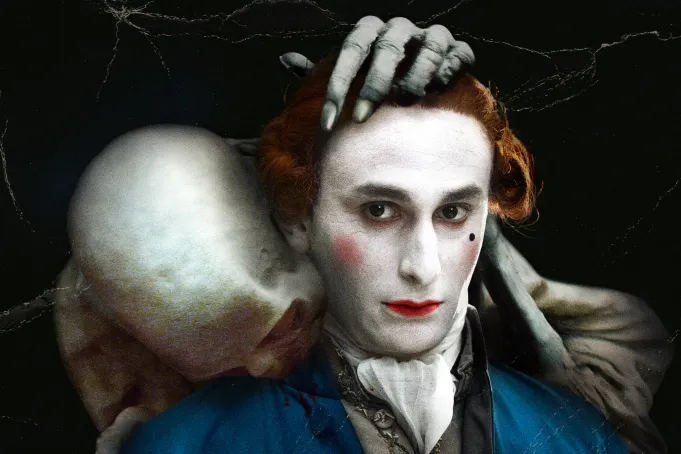
Adrien Beau’s adaptation of Aleksey Konstantinovich Tolstoy’s novella “The Family of the Vourdalak” arrives as a refreshingly unconventional take on vampire lore in his film “The Vourdalak.” While vampires remain a perennial subject in cinema, Beau’s film stands out for its inventive approach and eerie atmosphere.
Set in a remote village, the story begins with a stranger, claiming to be an envoy, who encounters reluctance and warnings from the locals. Seeking shelter, he is directed to the home of a family whose patriarch, Gorcha, is absent, having gone to battle. Gorcha’s daughter Sdenka recounts his ominous instructions: should he return after six days, they are to reject him as he would have transformed into a cursed vourdalak—a Slavic vampire who preys on family members.
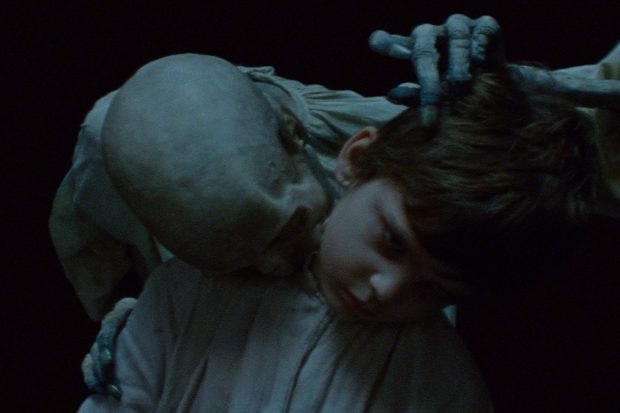
When Gorcha does return, it’s a haunting sight: transformed into a skeletal figure, he exerts authority over his family, who must obey him despite his grotesque appearance. Rather than using CGI or makeup, Beau employs a life-sized marionette, creating a uniquely unsettling effect that enhances the film’s folkloric ambiance. Coupled with Super 16mm cinematography, the film captures the vourdalak’s uncanny presence with grainy textures and eerie movements, evoking a bygone era’s interpretation of supernatural beings.
“The Vourdalak” defies typical vampire tropes, presenting Gorcha not as a shadow-dwelling monster but as a tragic figure afflicted by a condition akin to a war injury. As the narrative unfolds, the film transitions into a blend of conventional vampire tale and existential drama, reminiscent of experimental works like Albert Serra’s “Story of My Death.” This fusion of old-world storytelling and innovative filmmaking techniques gives the genre a much-needed infusion of originality.
Conclusion
“The Vourdalak” emerges as a testament to Beau’s visionary storytelling, offering a compelling reinterpretation of classic vampire mythology through its mood-driven narrative and distinctive visual style. It stands as a testament to the enduring allure of vampire tales and the creative potential inherent in revisiting timeless narratives with fresh perspectives.


About the author
‘Its Name Was Mormo’ Review: Fear-filled Hearts & Close Encounters
In Mark Bower’s staggering handmade visionary tale, his first movie has drawn the attention of nine international film distributors. A Haunting Tale Mark Bower's handmade visionary performance, "Its Name Was Mormo," is a haunting exploration of fear and the supernatural, capturing audiences with its raw and immersive storytelling which delves into the realm of psyche horror, evoking a sense of dread that lingers long after the camera battery dies. Plot and Atmosphere Set in a desolate, rural town, Its Name Was Mormo > follows the unsettling experiences of a family who encounter an evil entity known as Mormo. The film masterfully builds tension through its eerie landscapes, unsettling silence, and the palpable fear of its characters. Bower’s attention to detail in creating a chilling atmosphere is evident, as each scene is infused with an impending sense of doom. The narrative is […]
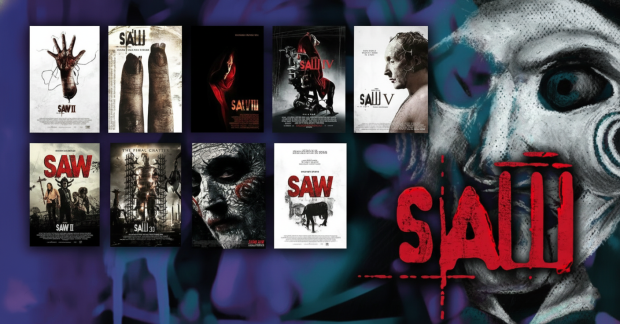
The Complete Saw Franchise Is Now Streaming on Peacock: A Definitive Guide for Horror Fans
Horror fans have a major reason to celebrate. One of the most influential and brutal horror series of the 21st century is now easier than ever to revisit. The entire Saw franchise is officially streaming on Peacock, giving viewers instant access to all ten films in the iconic saga. Whether you’re a longtime fan of Jigsaw’s twisted philosophy or a newcomer ready to experience the traps for the first time, this is the perfect opportunity for a full franchise marathon. This streaming milestone comes on the heels of one of the biggest horror industry stories of recent years: Blumhouse’s acquisition of the Saw franchise in 2025, which reunited original creators James Wan and Leigh Whannell with the property that launched their careers. With renewed creative energy behind the scenes and renewed accessibility on streaming, Saw is once again dominating the […]

Sundance Film Festival 2026 Midnight Lineup Brings Bold New Horror Films and Genre-Bending Premieres
The Sundance Film Festival 2026 is shaping up to be an unforgettable event for fans of independent cinema, especially those with a taste for horror, dark comedy, and boundary-pushing storytelling. As the iconic festival prepares for its next edition, organizers have officially revealed the 2026 program slate, and it’s packed with buzzworthy titles that promise sleepless nights and thought-provoking experiences. Taking place January 22 through February 1, 2026, the Sundance Film Festival will once again return in person to Park City, Salt Lake City, and the Sundance Resort, while also offering a curated selection of films online starting January 30. Festival packages and passes are already available through Sundance’s official website, giving cinephiles early access to one of the most influential film festivals in the world. With a strong focus on independent horror films, innovative documentaries, and daring new voices, […]
Lionsgate Hints at New AAA Horror Video Games Based on John Wick and Saw
The worlds of film and gaming continue to collide, and Lionsgate appears ready to make a major move into the AAA video game space. During a recent Q2 2026 earnings call, Lionsgate Motion Picture Group chairman Adam Fogelson teased the possibility of big-budget video games based on some of the studio’s most recognizable franchises. Among the properties specifically mentioned were John Wick and Saw, instantly igniting excitement among action and horror fans alike. According to the earnings call transcript shared by Seeking Alpha, Fogelson emphasized that Lionsgate is seeing “increased interest and increased opportunity” in developing premium games based on its intellectual properties. While the comments stopped short of a formal announcement, the wording strongly suggests that Lionsgate is actively exploring major gaming projects tied to its most successful brands. Lionsgate’s Growing Focus on AAA Video Game Development In recent […]
Horror Story – The Porcelain Whisperer
A forgotten relic in the basement awakes, beckoning the eldest daughter into the darkness. The old Victorian house on Elm Street always felt a little too big for the Miller family, and definitely too quiet at night. During the day, it was full of life. Mommy (Sarah) was always baking or working in her home office, while Daddy (Tom) was busy fixing things that constantly broke in the aging structure. Six-year-old Lily filled the hallways with laughter, usually chased by Barnaby, their lazy orange tabby, and Luna, a sleek black cat who seemed to see things no one else did.[Horror Story] Fourteen-year-old Elara, however, found the house unsettling. It started a month after they moved in. At first, Elara thought it was just the wind whistling through the old chimney. It was a faint sound, barely a scratch on the […]
Horror Story – The Midwife of Blackwood Creek
Disclaimer: The following narrative is constructed from a collection of recovered journals, police transcripts from the fateful night of February 12, 1998, and interviews with the surviving family members. To protect their privacy, names and specific locations in West Virginia have been altered Part I: The Isolation The isolation of the Appalachian Mountains is deceptive. In the summer, it feels like a green, lush embrace. But in the dead of winter, when the trees are stripped bare and look like skeletal fingers clawing at the grey sky, it feels like a cage. For Sarah and David, the farmhouse on Blackwood Creek was supposed to be their sanctuary. Purchased for a suspiciously low price in the late autumn of 1997, it sat on forty acres of dense pine forest, miles away from the nearest paved road. Sarah was eight months pregnant, […]
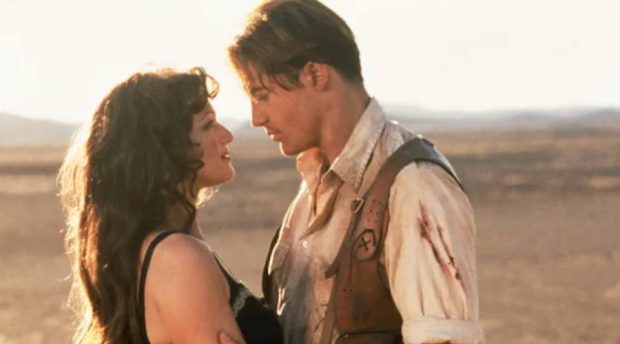
‘The Mummy’ Lee Cronin and Blumhouse Resurrect the Classic Monster for an April 2026 Release
The director of Evil Dead Rise is bringing a terrifying, horror-first approach to The Mummy, leaving the action-adventure style behind. Universal Pictures is taking another stab at their classic monsters, and for The Mummy (2026), they have recruited one of the most exciting voices in modern horror: Lee Cronin. After the massive success of Evil Dead Rise, Cronin has been tapped to write and direct a new version of The Mummy, set for release on April 17, 2026. This is not a sequel to the Brendan Fraser films, nor is it related to the Tom Cruise flop. This The Mummy is pure nightmare fuel. Lee Cronin has publicly stated that his vision for The Mummy is "dark, scary, and violent." Gone are the campy one-liners; The Mummy (2026) returns to the character's roots as a figure of undead dread. The […]
Related
The Complete Saw Franchise Is Now Streaming on Peacock: A Definitive Guide for Horror Fans
Horror fans have a major reason to celebrate. One of the most influential and brutal horror series of the 21st century is now easier than ever to revisit. The entire Saw franchise is officially streaming on Peacock, giving viewers instant access to all ten films in the iconic saga. Whether you’re a longtime fan of Jigsaw’s twisted philosophy or a newcomer ready to experience the traps for the first time, this is the perfect opportunity for a full franchise marathon. This streaming milestone comes on the heels of one of the biggest horror industry stories of recent years: Blumhouse’s acquisition of the Saw franchise in 2025, which reunited original creators James Wan and Leigh Whannell with the property that launched their careers. With renewed creative energy behind the scenes and renewed accessibility on streaming, Saw is once again dominating the […]
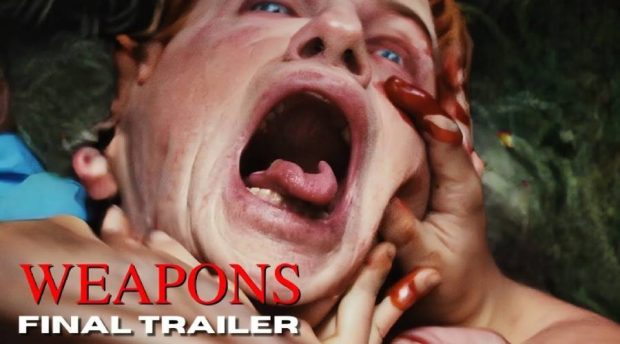
‘Weapons’ Massive 2026 Horror Epic Promises to Be the ‘Magnolia’ of Scares
The director of Barbarian returns with Weapons, a star-studded horror film arriving January 16, 2026. If there is one director who currently holds the "golden ticket" in Hollywood horror, it is Zach Cregger. After the massive, unexpected success of Barbarian, Cregger was given carte blanche by New Line Cinema to create his dream project: Weapons. Originally slated for 2025, the film has been positioned as the first major horror event of the new year, hitting theaters on January 16, 2026. Weapons is not just a horror movie; it is being described as an expansive, multi-story epic. Weapons features an incredible ensemble cast, including Josh Brolin (Dune), Julia Garner (Ozark), and Alden Ehrenreich (Oppenheimer). The plot of Weapons is being kept under lock and key, but insiders have compared the structure of the film to Paul Thomas Anderson’s Magnolia—meaning Weapons will […]
‘Scream 7’ Neve Campbell and Kevin Williamson Reunite to Reclaim the Franchise in February 2026
After a turbulent production history, Scream 7 is finally set to slash its way into theaters on February 27, 2026, bringing the focus back to Sidney Prescott. The horror community can finally exhale: Scream 7 is coming, and it is bringing the franchise back to its roots. Scheduled for a theatrical release on February 27, 2026, Scream 7 marks a pivotal moment for the series. Following the departure of stars Melissa Barrera and Jenna Ortega, Spyglass Media Group has turned to the legacy that started it all. Neve Campbell is officially back as Sidney Prescott, and perhaps even more excitingly, the film is being directed by the man who wrote the original masterpiece: Kevin Williamson. Scream 7 promises to be a direct sequel that refocuses the narrative on Sidney’s survival. For years, fans have wondered if Sidney would ever truly […]
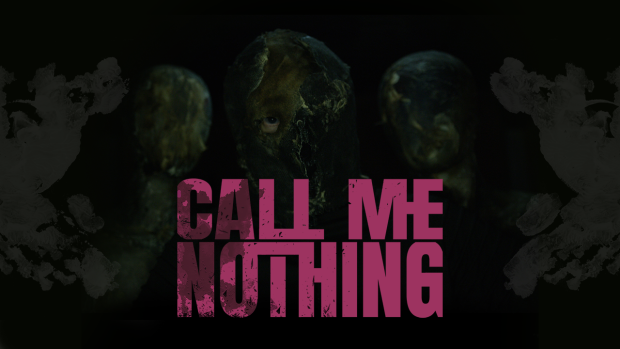
Call Me Nothing: New Psychological Thriller Unmasks Trauma and Mental Health
Call Me Nothing, produced and directed by Mark Andrew Bowers, is digging into the messy, unglamorous corners of the human mind—and inviting the community to join the journey. This gripping psychological thriller uses the Japanese idea of "three faces" as its central motif: the face we show the world, the face we reserve for loved ones, and the face we keep hidden. It’s a gritty, "slow-burn" story about memory, loss, and the fight to reclaim one's identity. A Story of Three Faces Shot in remote forests and abandoned villages, the production has already completed more than 50 days of filming for just the opening twenty minutes. The team, led by Marcela and Mark Bowers, is now live on Indiegogo seeking $300,000 to complete post-production, sound, and global distribution. But this campaign is about more than just finishing a film. It’s […]
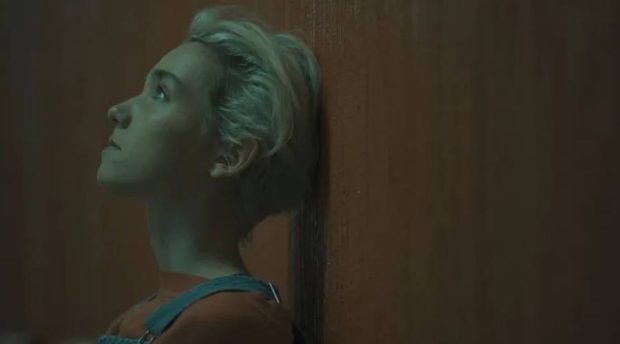
Come True – Critical Movie Review by a Disappointed Viewer
Come True (2025) - A Dreamlike Journey That Drowns in Its Own Lethargy Come True (2025) set out to be a haunting, gripping, and original cinematic experience. Its initial premise—focused on a young woman tormented by strange nightmares—seemed to promise a deep psychological exploration, visually intense and emotionally unsettling. Unfortunately, none of that materializes successfully. What begins as an intriguing introduction ends up being a never-ending parade of repetitive scenes, sluggish pacing, and a storyline that fades into absurdity. From its opening minutes, the film generates genuine expectations. The introduction is well executed: visually striking, well-directed, with a dark, tense atmosphere that suggests something far more compelling is about to unfold. The trailer was also excellent, a testament to the marketing team’s skill in selling the film—even if the film itself fails to deliver on that promise. From that point […]
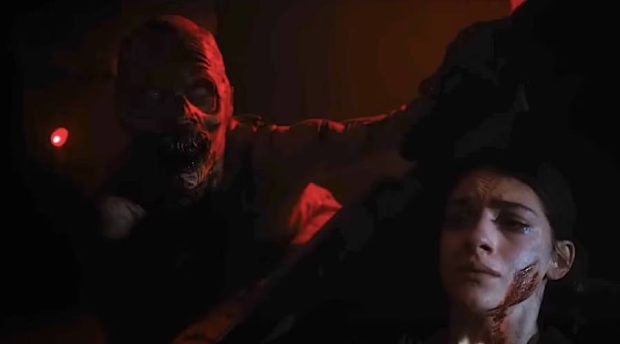
David F. Sandberg’s Until Dawn Hits 4K Ultra HD, Blu-ray, and DVD This July
Until Dawn - Game-to-Film Adaptation Returns with Chilling Extras and a New 4K Experience Following its initial release on digital platforms, Until Dawn, the latest horror feature directed by David F. Sandberg, is set to make its physical media debut on July 8. Horror fans will soon be able to experience the terror in stunning 4K Ultra HD, Blu-ray, and DVD formats, courtesy of Sony Pictures Home Entertainment. Based on Supermassive Games’ widely popular survival horror video game of the same name, Until Dawn has been adapted into a feature film that promises a blend of psychological suspense, slasher thrills, and time-loop terror. Presented in 4K resolution with Dolby Vision HDR and Dolby Atmos audio, the home release aims to bring viewers deeper into the immersive nightmare with top-tier visual and sound fidelity. Behind the Nightmare: Director and Screenwriters The […]