

The video game industry is no stranger to the delicate dance of accidental leaks, internet sleuthing, and swift corporate damage control. However, when the game in question is arguably the most critically acclaimed title of all time, the stakes skyrocket.
Recently, eagle-eyed Nintendo enthusiasts discovered a hidden metadata description buried within the official website source code for the newly announced The Legend of Zelda: Ocarina of Time remake for the Nintendo Switch 2. The brief snippet of text immediately set the internet ablaze, offering the first real hint at the creative direction of the project. Yet, almost as quickly as the discovery went viral, Nintendo scrambled behind the scenes, updating the website’s code and scrubbing the description entirely. This sudden game of digital hide-and-seek has left the gaming community dissecting every syllable of the deleted text to discern exactly what kind of remake awaits them.
The official confirmation of the project came during last week’s highly anticipated Nintendo Direct broadcast. For months, the gaming landscape had been flooded with intense speculation, rumors, and supply-chain leaks regarding Nintendo’s next-generation hardware and its launch lineup. When the teaser finally dropped, it was agonizingly brief, keeping the project shrouded in mystery.

The cinematic trailer lasted only a matter of seconds, offering mere glimpses rather than substantial gameplay:
- An ancient, beautifully rendered tapestry detailing the history of Hyrule.
- A single, atmospheric shot of a sleeping young Link in his Kokiri forest home.
- The iconic, glowing Triforce mark manifest on the back of his hand.
While the footage successfully established a breathtaking, modernized art style, it left the core mechanical questions completely unanswered. Fans were immediately divided into two camps of speculation. Would this be a radical, ground-up reimagining—akin to Square Enix’s expansive Final Fantasy VII Remake trilogy or Capcom’s modernized Resident Evil overhauls? Or would it take the approach of a faithful, “shot-for-shot” mechanical recreation wrapped in a stunning modern engine, similar to Bluepoint Games’ treatment of Demon’s Souls?
The Deleted Code: “Timeless Gameplay” Under the Microscope
The answer, at least according to the deleted website metadata, heavily favors historical fidelity. Before Nintendo pulled the plug on the hidden text, the product page backend featured the following marketing blurb:
“The N64 classic reborn as a full remake for Nintendo Switch 2. Experience Ocarina of Time with stunning visuals, updated designs, and timeless gameplay.”
The phrase “timeless gameplay” has become the central focus of fan analysis. In the vocabulary of modern video game marketing, preserving “timeless” mechanics usually serves as a polite indicator that the core architectural foundations of the game remain untouched. For Ocarina of Time, this likely means that the layout of Hyrule, the design of the iconic dungeons (from the Inside of the Deku Tree to the notorious Water Temple), the puzzles, and the hidden Heart Pieces will feel deeply familiar to veterans of the 1998 Nintendo 64 original. Instead of reinventing the wheel, Nintendo appears to be prioritizing nostalgia, ensuring the game plays exactly how you remember it playing, rather than how it actually felt on a three-pronged N64 controller.

Parallels and Precedents: The Switch 2’s Retro Strategy
This conservative approach to remakes aligns perfectly with Nintendo’s broader strategy for its next-generation console. Ocarina of Time is not the only N64 titan getting a ground-up resurrection for the Switch 2; a highly anticipated remake of Star Fox is also slated to land on the hardware.
| Game Remake | Gameplay Approach | Narrative Adjustments |
| Star Fox | Traditional, faithful flight mechanics | Significantly expanded plot & lore sequences |
| Ocarina of Time | Preserved “timeless” dungeon & puzzle design | Potential voice-acted dialogue integration |
If the Star Fox project serves as a blueprint, Nintendo prefers to keep the mechanical loop intact while using modern hardware to expand the cinematic scope. For Ocarina of Time, rumors are already swirling that the brief voiceover heard in the teaser trailer points toward fully voice-acted dialogue—a massive departure from the text boxes of the 1990s, even if the underlying quest remains unchanged.
MADiSON Walkthrough | 2025 Horror Game | 4K 60FPS
Damage Control and the Long Road to 2026
Following the fan uproar, Nintendo quickly swapped the compromised code with a sterilized, generic marketing line that gives absolutely nothing away:
“The Nintendo 64 classic returns for a new generation in 2026, reborn exclusively for Nintendo Switch 2!”
The corporate cleanup highlights just how tightly Nintendo wants to control the narrative surrounding its next-gen software. The leak and subsequent scrub have added a layer of drama to an unveiling that some industry insiders felt lacked punch. In the days following the Direct, former Nintendo staff members publicly commented that the company perhaps should have pivoted its presentation strategy. Because the project had leaked extensively prior to the broadcast, the official trailer felt to many like a foregone conclusion rather than a shocking megaton announcement.
With a vague release window set somewhere in 2026, players will have to wait for subsequent Nintendo Directs or dedicated deep-dives to see actual gameplay footage. Until then, the community will undoubtedly continue to dissect the mystery of the deleted text, debating whether “timeless gameplay” is a promise of pure nostalgia or a missed opportunity for reinvention.


About the author

‘Its Name Was Mormo’ Review: Fear-filled Hearts & Close Encounters
In Mark Bower’s staggering handmade visionary tale, his first movie has drawn the attention of nine international film distributors. A Haunting Tale Mark Bower's handmade visionary performance, "Its Name Was Mormo," is a haunting exploration of fear and the supernatural, capturing audiences with its raw and immersive storytelling which delves into the realm of psyche horror, evoking a sense of dread that lingers long after the camera battery dies. Plot and Atmosphere Set in a desolate, rural town, Its Name Was Mormo > follows the unsettling experiences of a family who encounter an evil entity known as Mormo. The film masterfully builds tension through its eerie landscapes, unsettling silence, and the palpable fear of its characters. Bower’s attention to detail in creating a chilling atmosphere is evident, as each scene is infused with an impending sense of doom. The narrative is […]
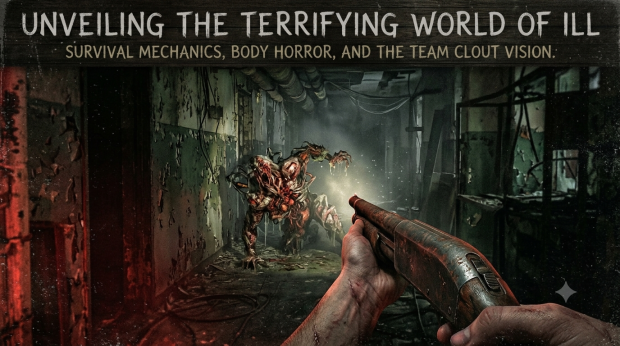
ILL Horror Game: 5 Huge Updates for the 2027 Release
Are you ready to face your darkest nightmares in the upcoming ILL horror game? Unveiled recently at the June 2026 State of Play, this terrifying title is already making waves across the gaming community. What is the ILL horror game? The ILL horror game is a realistic first-person action survival experience set in a massive research fort overrun by grotesque monsters. Players must navigate terrifying environments, manage scarce resources, and utilize an advanced dismemberment system to survive against unpredictable Aberrations. With an official launch window set for 2027 on PC, PS5, and Xbox Series X/S, fans are eager to learn more. This comprehensive guide covers everything from plot details to gameplay mechanics, ensuring you are fully prepared for the terror that awaits. Let's dive into the shadows and uncover what makes this title so highly anticipated. Quick Summary: Key Takeaways […]
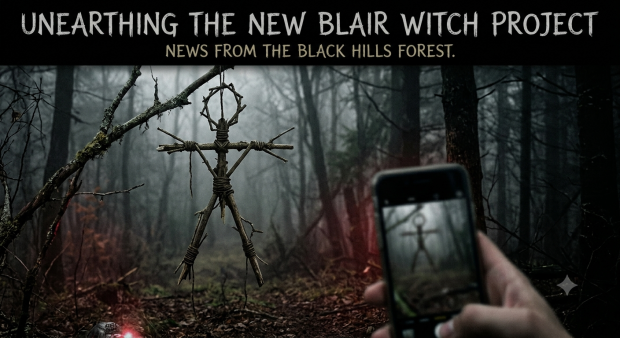
Lionsgate New Blair Witch Project Movie: 7 Shocking Updates
Horror fans are returning to the dark, unforgiving woods of Burkittsville, Maryland, and this time, the stakes have never been higher. Decades after three student filmmakers vanished in the Black Hills Forest, a terrifying new chapter is officially underway. What is the Lionsgate new Blair Witch Project movie? The Lionsgate new Blair Witch Project movie is an upcoming horror reboot scheduled for theatrical release on September 24, 2027. Produced by horror giants Jason Blum and James Wan, the film follows a family stalked in the woods and aims to revitalize the iconic franchise for a modern audience. It has been a long time since the original indie horror film redefined our collective nightmares. Now, a fresh generation of filmmakers is taking the reins to drag this terrifying legend into the modern era. This comprehensive guide breaks down everything from the […]

Why You Must Stay Away From Victims: The Blueprint for Protecting Your Peace and Power
https://www.tiktok.com/@iam.braveways Why You Must Stay Away From Victims: The Blueprint for Protecting Your Peace and Power The modern world has developed a dangerous addiction: it rewards, coddles, and even celebrates the "poor me" mindset. But if your goal is to build an undeniable life, forge ironclad discipline, and raise a family built on resilience, there is one rule you cannot compromise on: you must stay away from victims. As a man, a father, and a leader, your energy is your most valuable asset. You simply cannot afford to drain it by entertaining people who start fires and then complain about the heat. https://www.tiktok.com/@iam.braveways/video/7659007417371331862 The harsh reality is that playing the victim is an effective manipulation tactic. It allows people to extract time, resources, and emotional labor from you without ever having to take accountability for their own lives. They shatter […]

Spending Time With Children: Their Enchanted World
Main Takeaways Spending time with children creates the emotional foundation they carry into adulthood. Childhood is short and irreplaceable, and the way you show up during those years becomes part of your family’s long‑term legacy. Children remember participation, presence, and connection—not productivity or adult obligations. Why Spending Time With Children Shapes Their Entire Future Every parent wants to leave something meaningful behind for the next generation. Some focus on financial security, some on discipline, and others on opportunities they never had themselves. But the most powerful inheritance a child receives is not material—it’s emotional. It’s the foundation built through spending time with children, being present, and participating in their world before society reshapes it. The message behind the story of a child leaving his imaginary world for the demands of school reveals a truth many adults overlook. Children do not […]
Loyalty Code: Top 5 Principles Protectors Live By
https://www.youtube.com/shorts/WSN--uH1bcs Main Takeaways The loyalty code defines who earns a place in your circle and who must be removed from it. Respect, trust, and boundaries form the structural pillars of the loyalty code. A protector evaluates relationships through discipline, clarity, and consistent standards. Why the Loyalty Code Matters In a world where relationships shift quickly and loyalty is often treated as optional, the loyalty code stands as a disciplined framework for understanding who truly belongs in your life. It is not a trend, a slogan, or a motivational idea. It is a practical, grounded set of principles that determine who supports your mission, who respects your path, and who can be trusted to stand beside you when pressure rises. This article breaks down the top five principles of the loyalty code, each rooted in clarity, boundaries, and earned trust. These […]
A True Protector: Nine Simple Steps – Welcome to Braveways
Someone tried to kidnap my daughter. That night didn’t just change my life — it rewired my instincts. What came after wasn’t Braveways as just a brand or a channel. It was the code, a protector’s mindset forged in fear, rebuilt through purpose, and sharpened by the responsibility of fatherhood. https://www.youtube.com/shorts/f9bMgmCamxA A True Protector: Nine ways for a parent to stand between those who rely on them and the dark. 1. Know Why You Stay Ready Before danger appears, before that tingling feeling of fear rises in your throat, there is a decision our minds face with fight or flight, we need to crack that open and understand it properly before we can implement a solid solution. You don’t train for the moment. You train because the moment can come without warning. As a protective parent, readiness is not paranoia […]
Related
ILL Horror Game: 5 Huge Updates for the 2027 Release
Are you ready to face your darkest nightmares in the upcoming ILL horror game? Unveiled recently at the June 2026 State of Play, this terrifying title is already making waves across the gaming community. What is the ILL horror game? The ILL horror game is a realistic first-person action survival experience set in a massive research fort overrun by grotesque monsters. Players must navigate terrifying environments, manage scarce resources, and utilize an advanced dismemberment system to survive against unpredictable Aberrations. With an official launch window set for 2027 on PC, PS5, and Xbox Series X/S, fans are eager to learn more. This comprehensive guide covers everything from plot details to gameplay mechanics, ensuring you are fully prepared for the terror that awaits. Let's dive into the shadows and uncover what makes this title so highly anticipated. Quick Summary: Key Takeaways […]

A Grim Fight for Survival: Brad Pitt Navigates the Frozen Wilds in the First Trailer for David Ayer’s Heart of the Beast
The cinematic landscape is about to get a lot colder, more brutal, and deeply emotional. Paramount Pictures has officially unveiled the gripping first trailer for Heart of the Beast, an upcoming survival thriller that pits Hollywood heavy hitter Brad Pitt against the unforgiving elements of the American North. Helmed by filmmaker David Ayer—known for his gritty, high-stakes storytelling in films like Fury and End of Watch—this upcoming release promises a visceral cinematic experience that combines high-octane tension with a deeply moving narrative about loyalty. Scheduled to arrive exclusively in theaters on September 25, the film has already generated significant buzz, positioning itself as one of the most anticipated cinematic events of the autumn season. The Premise: One Man, One Dog, and Absolute Isolation At the core of Heart of the Beast is a deceptive simplicity: a classic tale of man […]

Sundance Film Festival 2026 Midnight Lineup Brings Bold New Horror Films and Genre-Bending Premieres
The Sundance Film Festival 2026 is shaping up to be an unforgettable event for fans of independent cinema, especially those with a taste for horror, dark comedy, and boundary-pushing storytelling. As the iconic festival prepares for its next edition, organizers have officially revealed the 2026 program slate, and it’s packed with buzzworthy titles that promise sleepless nights and thought-provoking experiences. Taking place January 22 through February 1, 2026, the Sundance Film Festival will once again return in person to Park City, Salt Lake City, and the Sundance Resort, while also offering a curated selection of films online starting January 30. Festival packages and passes are already available through Sundance’s official website, giving cinephiles early access to one of the most influential film festivals in the world. With a strong focus on independent horror films, innovative documentaries, and daring new voices, […]
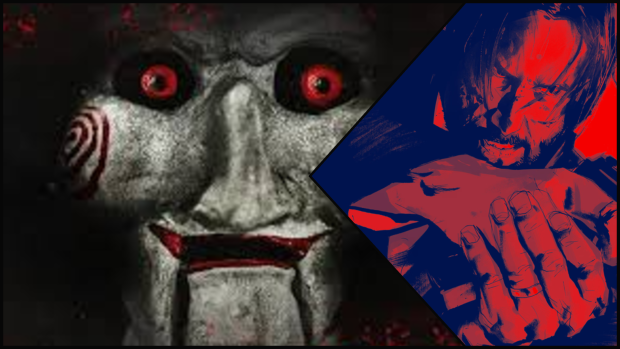
Lionsgate Hints at New AAA Horror Video Games Based on John Wick and Saw
The worlds of film and gaming continue to collide, and Lionsgate appears ready to make a major move into the AAA video game space. During a recent Q2 2026 earnings call, Lionsgate Motion Picture Group chairman Adam Fogelson teased the possibility of big-budget video games based on some of the studio’s most recognizable franchises. Among the properties specifically mentioned were John Wick and Saw, instantly igniting excitement among action and horror fans alike. According to the earnings call transcript shared by Seeking Alpha, Fogelson emphasized that Lionsgate is seeing “increased interest and increased opportunity” in developing premium games based on its intellectual properties. While the comments stopped short of a formal announcement, the wording strongly suggests that Lionsgate is actively exploring major gaming projects tied to its most successful brands. Lionsgate’s Growing Focus on AAA Video Game Development In recent […]
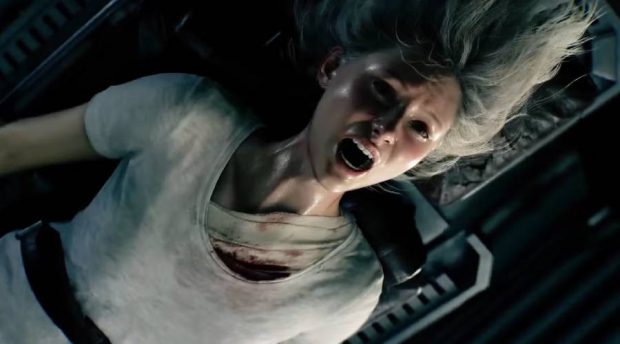
‘Resident Evil 9’ Koshi Nakanishi Confirms New Direction for the 2026 Survival Horror Giant
Capcom is aiming to redefine the franchise again with Resident Evil 9, potentially the biggest entry in the series to date. While an exact release date is still pending, all signs and credible leaks point to Resident Evil 9 being the dominant horror gaming event of late 2025 or early 2026. Capcom officially confirmed in late 2024 that Koshi Nakanishi, the visionary director behind the acclaimed Resident Evil 7: Biohazard, is at the helm of Resident Evil 9. This news alone has sent expectations skyrocketing. Nakanishi saved the franchise once by switching to first-person; with Resident Evil 9, he aims to innovate again. The most persistent and credible rumor surrounding Resident Evil 9 is the shift to an "open-world" structure. Unlike the linear corridors of previous games, Resident Evil 9 is built on the RE Engine’s new "Dragon's Dogma 2" […]
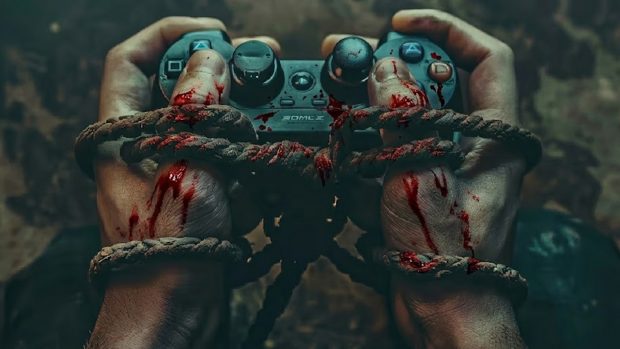
Top 10 Console Games: Horror Games You Must Play in 2026
Top 10 Console Games: Horror Games You Must Play in 2026 From legendary remakes to grotesque new nightmares, prepare your PS5 and Xbox Series X for a golden age of terror. The horror genre is currently enjoying a renaissance. We’ve moved past the era of cheap jump-scare YouTube bait and settled into a rich landscape of psychological dread, complex survival mechanics, and narrative-driven terror. For console gamers, the horizon is looking exceptionally grim—in the best way possible. The next 18 months are stacked with titles designed to make you clutch your controller until your knuckles turn white. We are looking at the return of industry titans, ambitious new IPs from legendary creators, and indie darlings making the leap to the big screen. If you’re ready to lose some sleep, here are the top 10 console horror games coming out soon […]